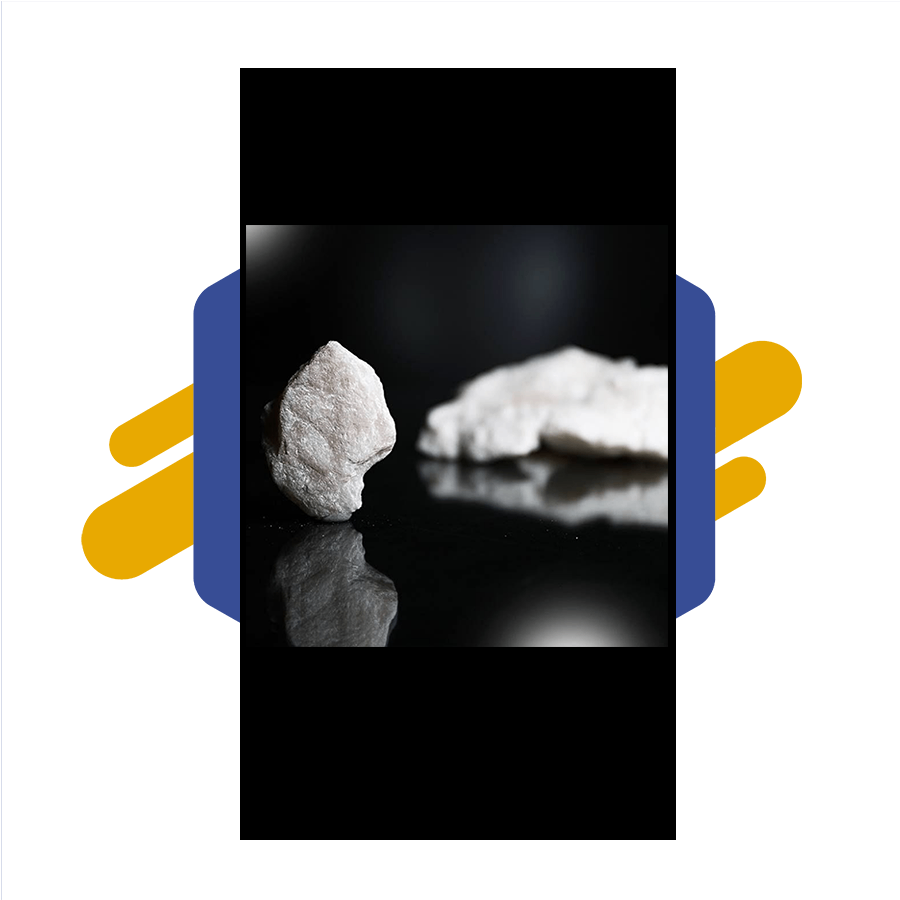
Imagine investing in talc that doesn't meet your manufacturing specifications — wasted time, failed batches, and regulatory headaches. That's why rigorous testing methods are essential. At Sudarshan Group, we test every batch so your industrial talc Lumps performs reliably. Have you ever wondered why some talc lumps suppliers are trusted like sudarshan group? Here's the key: transparent testing and consistent results.
Understanding Talc Purity and Why It Matters
Talc purity refers to the percentage of hydrated magnesium silicate in a sample (chemical formula: Mg₃Si₄O₁₀(OH)₂). Generally speaking, global purity ranges from about 47–93%, while high-quality industrial talc typically sits at 93–98%. The reason is simple: purity affects thermal stability, brightness, and chemical inertness. Think about it this way — a 2% increase in purity can improve plastic thermal stability by 15–20% in practice. Impurities such as iron oxide, chlorite, and heavy metals can discolor coatings or catalyze degradation. From our experience, buyers need to know mineral composition analysis and chemical composition analysis up front.
Primary Testing Methods for Talc Purity
Multiple testing methods work together for comprehensive quality verification. Let me break this down.
X-Ray Diffraction (XRD) identifies mineral composition through crystal structure analysis. It's non-destructive and excellent for asbestos detection testing and other mineral contaminants. Next, Polarized Light Microscopy (PLM) uses polarized light to examine particles — a quick, cost-effective first-line screen for asbestos fibers. Transmission Electron Microscopy (TEM) uses electron beams to magnify particles at the atomic level; TEM detects ultra-fine asbestos fibers below 0.5 micrometers and offers the highest sensitivity. Infrared Spectroscopy (IR) analyzes molecular bonds to identify minerals and can screen asbestos down to about 0.1% concentration. Finally, Loss on Ignition (LOI) measures weight loss on heating to confirm water/content levels and basic composition — simple, fast, and practical. Here's the interesting part: manufacturers combine these so no single test is relied on exclusively.
Quality Grading and Standards
Quality grades and international standards ensure consistency. ISO 3262-11 is widely referenced; USP-NF expects pharmaceutical-grade talc near 98% purity; European and Indian Pharmacopoeias (EP, IP) set their own thresholds. Cosmetic grade (CTFA) typically demands minimum 90%. Industrial grades are often tiered — Grade 1 (95%+), Grade 2 (92–95%), Grade 3 (up to 92%). Manufacturing quality standards vary by end use, so your specification should match the talc quality grades required for the product you make.
Quality Control at Sudarshan Group
As an experienced industrial talc manufacturer and among leading soapstone suppliers, Sudarshan Group follows strict quality assurance procedures. We source raw material from vetted mines, run multi-stage testing (raw, in-process, final), and provide a Certificate of Analysis with every batch. We're ISO certified talc producers with 50+ years in the field and 500,000 tonnes annual capacity. We run 8 major heavy metal tests per batch, use advanced crushing and grinding technology, and guarantee asbestos-free talc. If you're looking for best talc suppliers, we back claims with data.
How to Verify Talc Lumps Purity When Purchasing
As a buyer, you should request a CoA and verify which test methods were used — XRD, PLM or TEM should be listed. Ask for ISO, USP or EP compliance and check impurity limits for your application. Request trial samples before bulk orders and test them in your lab. Want to know how to check talc purity yourself? Start by comparing color (pure talc is white or off-white) and confirm with mineral composition analysis.
Applications Where Purity Matters Most
In the cosmetics industry, pharmaceutical-grade talc is non-negotiable for safety. For pharmaceutical manufacturers, USP/EP standards apply. When it comes to plastics, high-purity talc lumps improve reinforcement and thermal behavior. Paper, paint & coatings rely on whiteness and purity for opacity and brightness. Rubber and ceramics require consistent chemical composition so your product doesn't degrade or misfire during processing.
Ready to Get Premium Talc?
The bottom line is this: talc purity is not negotiable in today's competitive market. Whether you're in pharmaceuticals, cosmetics, or heavy manufacturing, choosing Talc Lumps Suppliers who employ rigorous testing methods ensures you receive consistent, high-performance material. Sudarshan Group's commitment to transparent quality assurance procedures and certified testing gives you peace of mind. Ready to experience the difference true purity makes? Contact our team today to request a sample or learn more about our testing procedures.