

For production managers and compounders, the daily challenge is finding ways to reduce formulation costs without compromising product durability or processing efficiency. One option that consistently enters the discussion is whether replacing a portion of expensive resin with Calcite Powder can deliver real performance benefits instead of just lowering material spend. The real question isn’t simply about savings—it’s whether the right micronized filler can enhance stiffness, impact resistance, and processing stability while keeping finished parts within demanding mechanical specifications.
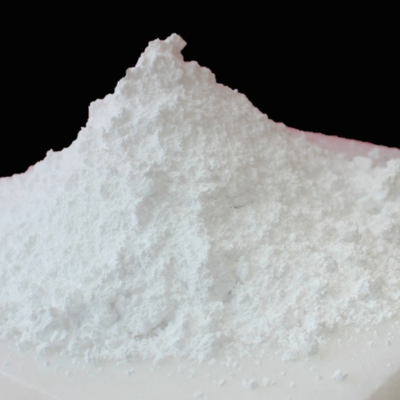
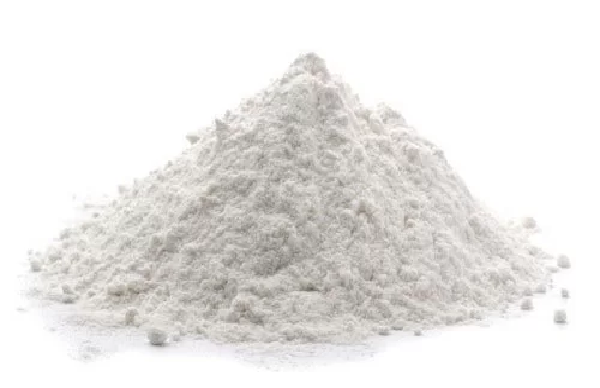
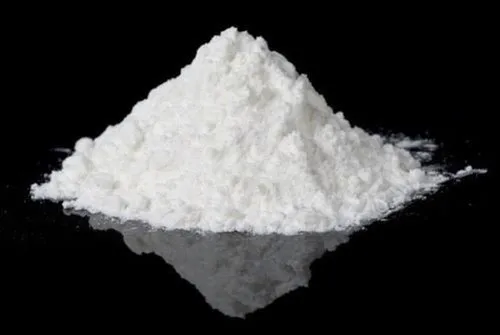
Micronized calcite is finely ground calcium carbonate filler engineered to tight particle-size distributions and specific surface treatments. It isn't just "rock dust"; at the micron scale it changes how the polymer matrix transfers stress, flows in the die, and bonds to additives.
Here's what matters: well-dispersed micronized calcite acts as a stress-transfer agent. Under tensile load the particle–matrix interface arrests crack initiation; under impact it deflects and blunts cracks. That translates to measurable tensile strength improvements and better impact resistance in PVC and polypropylene blends. With proper surface treatment—stearic acid or silane coupling adhesion improves and tensile strength climbs further.
Yes, there’s a trade-off. If particle loading is excessive you can get brittleness; so in practice formulators balance filler content with polymer grade and processing conditions. Typical industrial trials show tensile retention at moderate loadings and impact gains in many rigid packaging and automotive interior components.
Micronized calcite improves flow characteristics during extrusion and molding; that means fewer start-up defects, reduced die pressure, and more consistent cycle times. Thermal stability at high processing temperatures becomes less of a headache because the mineral doesn't volatilize or oxidize—unlike some organic additives. Surface-treated grades also improve surface finish, so rigid PVC pipes and polypropylene sheets can reach better cosmetic quality with lower melt pressures. Manufacturing headaches like warping and uneven shrinkage become easier to manage when melt viscosity and heat transfer are predictable.
Producers also like the sustainability angle — swapping a fraction of polymer for micronized mineral can reduce overall resin use, lowering embodied carbon a bit and cutting material spend; some formulators report roughly 5–10% direct cost savings depending on resin prices. If you need both surface gloss and strength, choosing the right Calcite Powder grade and treatment matters; it's rarely a one-size-fits-all answer, but often worth testing.
Micronized calcite is already used in PVC pipes and profiles, rigid packaging like bottles and containers, and a host of automotive interior and exterior components where dimensional stability matters. It’s common in polypropylene sheet applications and finds a second life in construction materials where durability and cost-efficiency both matter. Need a concrete example? A rigid PVC profile filled with a tailored micronized grade can show improved impact resistance without raising production costs significantly.
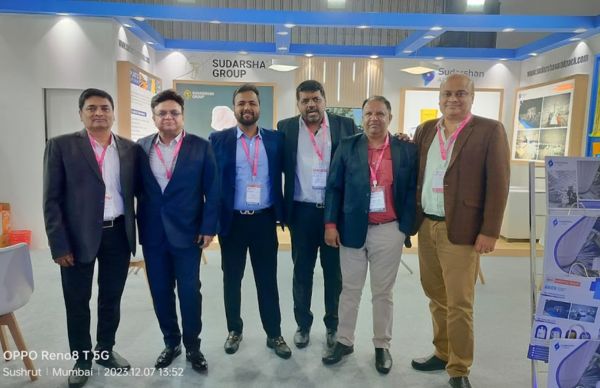
Sudarshan Group, established 1975, has decades of experience producing consistent micronized calcite grades tailored for plastics and rubber. They offer surface modifications such as stearic acid coating and silane coupling to enhance polymer–filler interaction. Their quality control reduces batch-to-batch variability, which in production terms means fewer adjustments, fewer rejects, and more predictable mechanical property gains.
Want reliable trial data for your compound? A short evaluation run—say a few hundred kilograms—will often reveal whether a grade suits your PVC or polypropylene application. Curious yet? Contact Sudarshan Group to discuss specific grades, surface treatments, and trial quantities at https://sudarshangroup.com/ — they're committed to quality and to helping manufacturers optimize formulations.
+91-9983250000