

How talc powder manufacturers in India support the rubber industry
March 16, 2026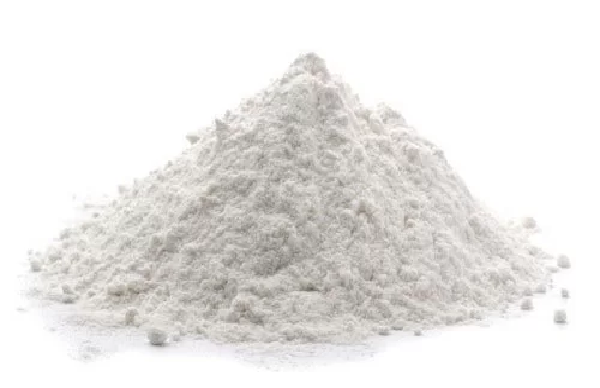
You'd be surprised how many wastewater setups are designed around what's cheap to procure rather than what actually fits the effluent chemistry. Procurement picks a mineral, operations figures out how to use it, and everyone wonders later why discharge results keep drifting.Here's the thing about using quality industrial dolomite powder for wastewater treatment that most product pages skip right over the mineral itself is the easier part. Getting the grade right, sourcing it consistently, knowing where it fits and where it doesn't, that's where facilities either get this right or quietly struggle for years without understanding why.
What it's actually doing in your treatment tank
Dolomite is calcium magnesium carbonate. Alkaline by nature. Acidic water hits it, pH goes up. That's the whole mechanism.
Nothing complicated there. But the reason it works well in so many treatment setups comes down to how it raises that pH. Steadily. Predictably. Lime raises pH faster, which sounds better until you've watched a system overshoot and end up with effluent that's too alkaline which is its own compliance problem. Dolomite's slower reaction gives operators actual room to work. That's not a weakness, it's the point.
On the metals side: lead, zinc, cadmium, copper tend to fall out of solution once pH crosses certain thresholds. Dolomite pushes pH into that range and holds it there. The precipitation happens. The metals come out. It's not exotic chemistry, it's just what carbonate minerals do when they meet acidic water, and it's reliable when the material is consistent.
What it won't do is worth saying clearly. Dissolved organics, biological load, salts and dolomite don't touch those. If your effluent is carrying those as primary concerns, you need other methods working alongside it. Anyone selling dolomite as a complete treatment solution for complex effluent is oversimplifying.
The part most buyers miss until something goes wrong
Particle size. Genuinely, this is where more setups go sideways than people realize.
Finer grades 200 mesh, 325 mesh have more surface exposed to the water. Faster reaction. That's what you want when you're dosing directly into a treatment tank with limited contact time between the mineral and the effluent.
Coarser grades, somewhere in the 20 to 100 mesh range, suit packed filter beds. The water moves through slowly. Longer contact time compensates for the lower surface area.
Buy the wrong grade for your application and you'll spend months chasing inconsistent pH control, adjusting dosing rates, and blaming the process design when the real problem was sitting in your raw material specification the whole time.
Here's something else that bothers me about how this market works: a lot of dolomite available out there ships with variable composition. MgO content drifts between batches. Moisture levels swing. Silica contamination varies. For a construction application, variable material is an inconvenience. For a continuous treatment system running against a discharge standard, it creates genuine compliance exposure. Your dosing is calibrated to a spec. The spec changes, your results change with it. It's that direct.
Ask for a certificate of analysis on every batch. Not a general spec sheet for the product line. Actual batch data with CaO, MgO, silica, iron, and moisture numbers. If a supplier hesitates or sends you a generic document instead, pay attention to that.
Why Sudarshan Group
Sudarshan Group has supplied industrial minerals across India for decades. This is what we've learned from watching how plants actually use and misuse what they buy. Every batch is tested before it ships purity, particle size, moisture and the spec you receive on your first order is the spec you receive on your tenth. That sounds like a basic expectation. In practice, a surprising number of suppliers in this space can't deliver it consistently. Sudarshan Group has supplied steel plants, mining operations, chemical manufacturers, and treatment facilities long enough to understand that different industries tolerate variability differently. In wastewater treatment, the tolerance is low. The sourcing and processing reflect that.If you're not sure which grade fits your setup, that conversation is worth having before you've already ordered the wrong mesh size in bulk.
Conclusion
Dolomite isn't complicated. For acidic effluents and heavy metal removal, it's reliable and cost-effective, and it fits into most existing treatment processes without redesigning anything. The gap between consistent results and constantly chasing discharge numbers almost always comes down to grade selection and batch consistency. Not chemistry. Not the process design. The material. Start with the datasheet. Ask hard questions about batch-to-batch consistency. Choose the grade that actually matches your process, not just the one that's available or cheapest by the tonne.
