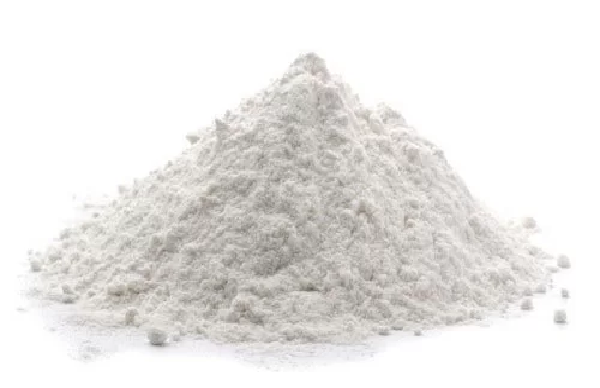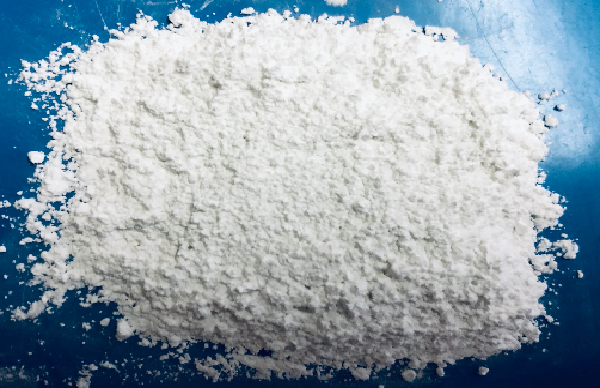


India’s infrastructure development is climbing fast — bridges, metros, ports, and heavy industry projects are consuming vast volumes of metallurgical inputs. Raw material consistency matters more than ever. Dolomite powder is not a commodity you can source casually Dolomite Powder Suppliers ensure strict quality control because it serves as a steel manufacturing flux, a refractory feedstock, and a stabilizer in sinter and ladle treatments. Its chemistry — predominantly calcium magnesium carbonate (CaMg(CO₃)₂) — supplies CaO and MgO during calcination, driving slag basicity and enabling efficient removal of silica, phosphorus and sulfur. Clean slag. Better metal yield. Lower refractory wear. Simple outcomes; technically demanding inputs.
Steelmakers control slag chemistry to protect converters, reduce iron loss, and tune inclusion behavior. Dolomite powder contributes MgO that increases slag viscosity and CaO that adjusts basicity. When a dolomite charge has predictable CaO/MgO ratios, consistent LOI (loss on ignition) and minimal SiO₂/Fe₂O₃ contaminants, the metallurgical reactions proceed as designed. If particle-size distribution varies, or if tramp elements (chlorides, alkalis, excess iron) spike, the slag becomes unpredictable. The result: more rework, higher coke consumption, and unexpected refractory outages. Procurement managers know this. They demand high-grade industrial minerals with tight tolerances, not approximations.
Mining is local. Beneficiation is technical. Logistics add variables. These three facts create procurement friction. First: geological variability — the same deposit can yield batches with different MgO/CaO balance. Second: processing control — screening, grinding and calcining determine PSD and LOI; many suppliers lack the controls to deliver repeatable specs. Third: traceability and compliance — certificates are only valuable when backed by lab audits and stable QC regimes. Combine that with fluctuating freight rates and seasonal demand spikes from pig iron and steel plants, and you get frequent supply glitches. That’s why many buyers switch suppliers mid-contract — not for price, but for raw material consistency.
Sudarshan Group has supplied industrial minerals since 1975. That’s a 50-year legacy of serving steel, foundry and infrastructure clients. Leadership under Mr. R. P. Gupta, Mr. R. K. Gupta and Mr. Neeraj Gupta combines operational continuity with technical oversight — a critical trust factor for procurement teams buying tonnes at scale. The Group’s USP is straightforward and measurable: 500,000 tonnes annual production, cutting-edge manufacturing units, and an institutional focus on strict quality consistency.
Sudarshan treats dolomite as an engineered input, not a raw shipment. Their plants implement staged beneficiation, tight PSD control, and routine ICP/OES checks for SiO₂, Fe₂O₃, CaO and MgO. They issue batch-level certificates and maintain logistics protocols that limit moisture ingress. That operational discipline reduces plant variability downstream: fewer refractory failures, predictable slag composition, and steadier yields. For infrastructure projects where schedules are fixed and margins thin, that predictability translates to tangible savings.
If your next tender or procurement cycle needs a dependable Dolomite Powder Suppliers partner, choose one that speaks both metallurgy and logistics. Sudarshan Group’s five-decade track record and 500k-tonne capacity make them a viable choice for large-scale steelmakers and infrastructure developers requiring steel manufacturing flux with guaranteed specifications. Secure your supply chain today by partnering with a supplier that prioritizes traceable quality, repeatable processing, and on-time delivery — because project timelines won’t wait for variable raw materials.
+91-9983250000