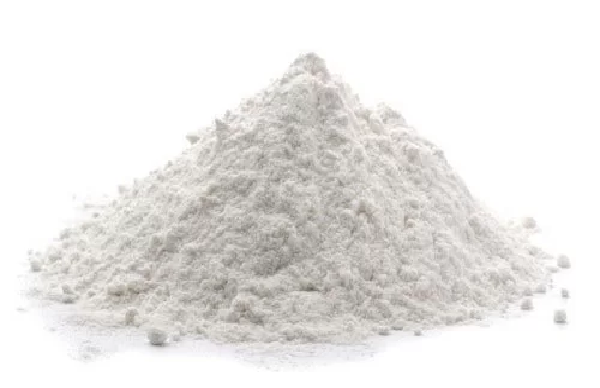
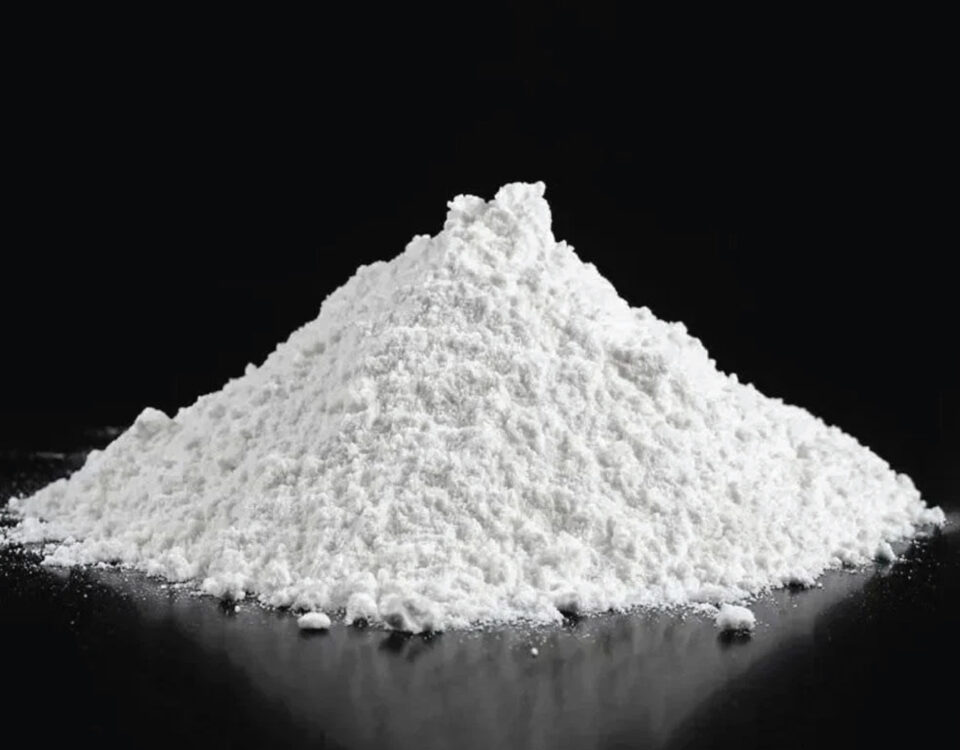
Most people outside the paint industry have never heard of dolomite powder. Inside it, almost nobody skips it. It shows up in emulsion paints, wall primers, textured finishes doing the kind of unglamorous work that keeps a formulation honest without ever getting mentioned on the label. Paint companies that have been around long enough stop experimenting and just build solid relationships with dolomite powder suppliers who deliver what they promise. The mineral is consistent, affordable, and does not create the kind of batch surprises that ruin a production shift.
Why Dolomite Powder Suppliers Are the First Call for Paint Formulators
Paint formulation is not really about color. Color is the easy part. The harder work is in the base the extender minerals that control how paint moves off a brush, how it sits on a wall, how it dries, and whether it holds up two winters later.
Dolomite earns its place here. It blends cleanly without clumping, works in water-based and solvent-based systems without any special handling, and has a naturally white tone that stays out of the way when color matching is tight. That last point matters more than people assume. A slightly off-white extender in a pastel formulation is a problem that shows up after the batch is already mixed.
Manufacturers switching from calcium carbonate to dolomite usually notice better brushability and less drum settling during storage. Not dramatic improvements but real ones that show up in QC records month after month.
The Role of Particle Size and Purity in Paint-Grade Dolomite
Dolomite is not rare. Finding it is not the problem. Finding it processed to the right spec, consistently, batch after batch that is where most sourcing headaches actually come from.
Particle size is what formulators check first. Coarse particles create texture problems in smooth finishes. Overly fine particles mess with drying behavior and can cause film cracking in thin applications. Paint-grade dolomite typically runs between 10 and 45 microns. Whiteness index needs to clear 90 on the reflectance scale for decorative applications below that, color accuracy starts drifting. Moisture has to stay controlled too, because even small swings between deliveries throw off viscosity and create QC headaches that slow the line down.
This is why serious paint manufacturers do not treat mineral sourcing as a pure price exercise. They want a supplier with real milling infrastructure, an actual lab, and enough process discipline to hit the same numbers every time without being chased.
How Dolomite Cuts Production Costs Without Cutting Corners
TiO₂ pricing is one of the more frustrating variables in paint manufacturing. It moves with global supply dynamics that producers have no control over, and when it spikes, it compresses margins fast on exactly the product lines whites, pastels, standard emulsions that move the most volume.
Dolomite processed to fine particle sizes scatters light well enough to carry some of TiO₂'s optical load. Manufacturers who run the substitution carefully, not aggressively, just smartly reduce their TiO₂ content without the finished paint losing anything a customer would notice. The opacity holds. The brightness holds. The cost per batch comes down.
Across a full year of production, that saving is not small. It is the kind of margin improvement that comes from buying smarter rather than cutting quality. Working with dolomite powder suppliers who actually understand paint-grade specs is what makes that substitution work reliably rather than becoming a source of batch inconsistency.
What Makes Sudarshan Group the Right Mineral Partner
Sudarshan Group is not a general mineral trader. The company processes dolomite specifically for industrial applications including paint and coatings, which means the grades it produces are built around what formulators actually need not be adapted from something designed for a different industry.
Controlled milling, classification, and proper lab testing are standard. If a technical team needs documentation for a product approval or a tighter particle cut for a new formulation, that conversation happens quickly and without drama. Delivery timelines are honest, and specs do not shift between the sample and the production order.
Paint manufacturers running tight schedules cannot afford a mineral supplier who treats consistency as optional. Sudarshan Group treats it as the baseline.
Making the Right Sourcing Decision for Your Paint Business
Dolomite is not glamorous. It does not appear in product marketing or on a paint tin. But it affects coverage, texture, stability, and cost in ways that show up on every production report. The supplier behind it matters more than most buying decisions in this category. Sudarshan Group has the processing depth and industry focus to back that up.