
The role of calcium carbonate powder in lowering carbon emissions and minimizing industrial waste
May 4, 2026
Why Paint Manufacturers Choose Dolomite Powder: A Complete Guide
June 3, 2026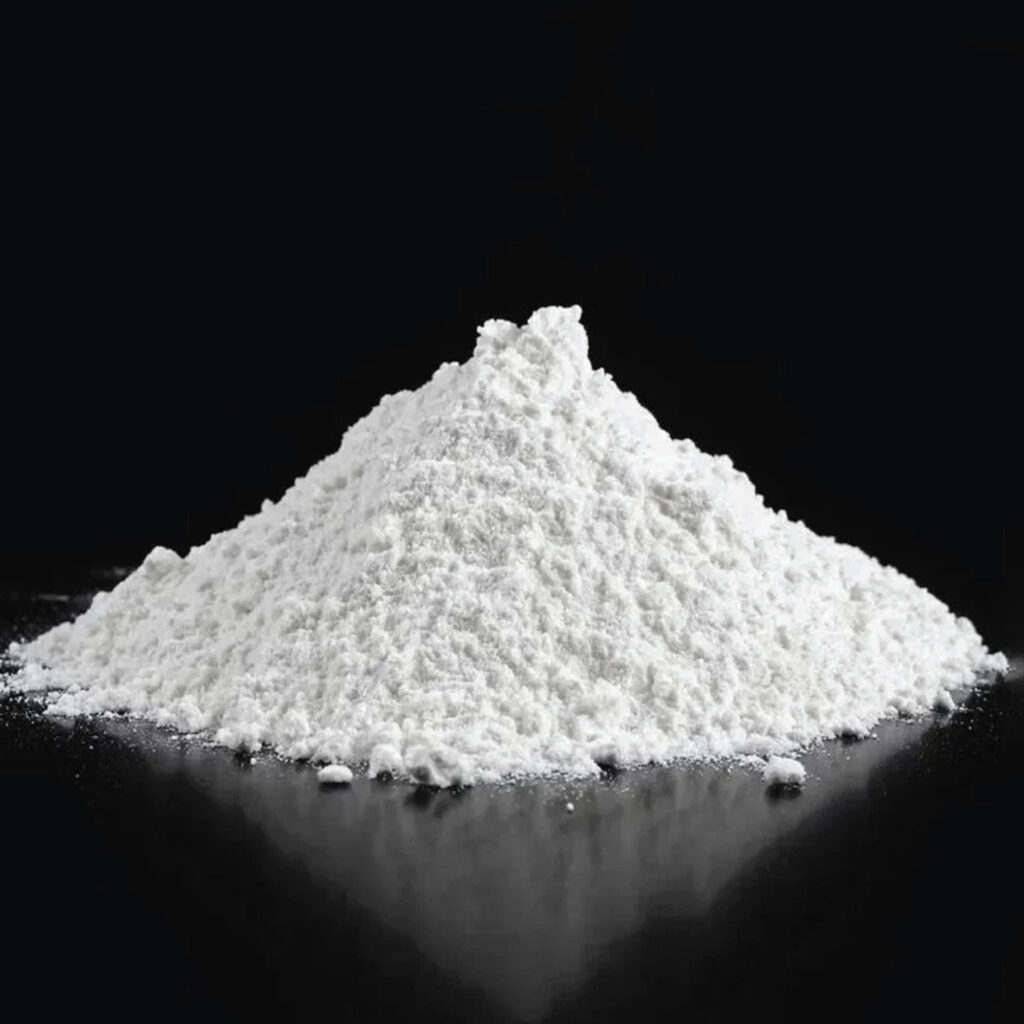
Why Steelmakers Care About What Goes Into the Furnace
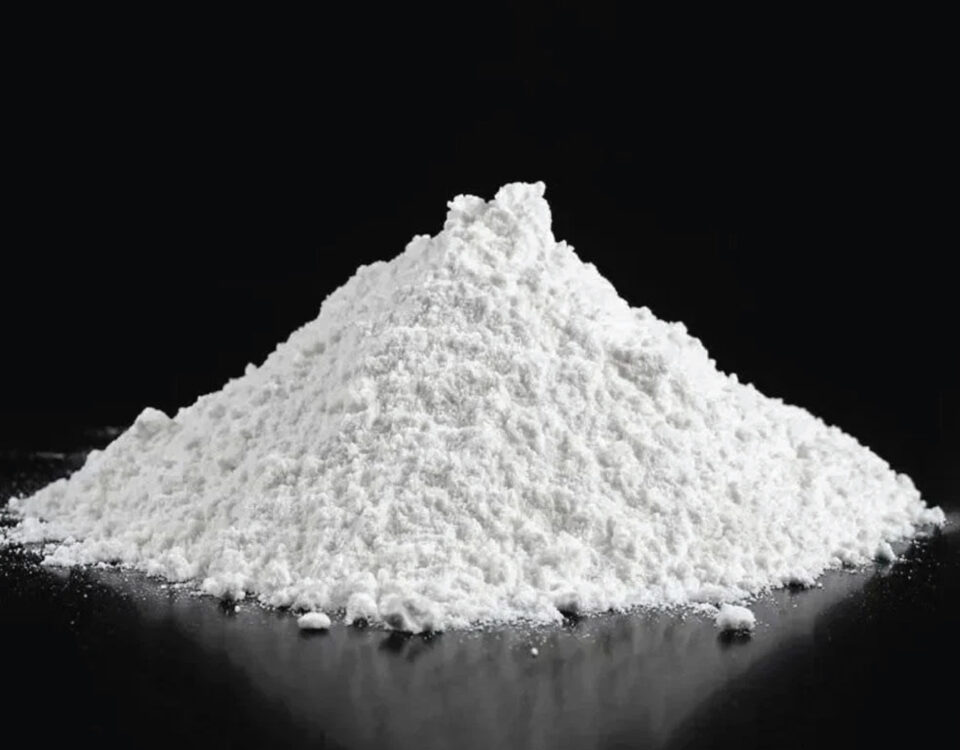
Most people outside the steel industry think making steel is mostly about heat. Crank up the furnace hot enough and iron becomes steel. That is roughly 10% of the story.The other 90% is chemistry specifically, getting unwanted elements out of the melt before they harden into the final product. Silica, phosphorus, sulfur. None of them belong to structural steel. All of them need somewhere to go. That is where flux comes in. And finely processed dolomite powder has been doing that job reliably in steel plants for decades, not because it is fashionable but because the chemistry actually works.The compound breaks down into calcium oxide and magnesium oxide once it hits furnace temperatures. Two simple oxides. Quiet chemistry. But those two oxides are what make the slag layer do its job properly.
How Dolomite Powder Works as a Flux Inside the Furnace
Here is the basic picture. Impurities in molten iron need to bond with something more attractive than the iron itself. Calcium oxide from the decomposed dolomite powder gives them that option; it reacts with silica, phosphorus, and alumina, pulling them out of the melt and into the floating slag layer above.The steelmaker skims the slag. The iron below is cleaner.What happens without good flux? The impurities stay in. When the steel cools, you get micro-cracks, brittleness, inconsistent strength. For rebar in a building or pipe carrying pressurised fluid, that matters a great deal.
The magnesium oxide side of this is worth understanding too. It does not grab impurities the way calcium oxide does. Its job is steadier; it keeps the slag from swinging too acidic or too basic, which keeps the whole layer fluid and workable. Operators who have dealt with slag that has gone too viscous know how frustrating that gets. MgO prevents a lot of that.
What Slag Conditioning Actually Means and Why It Is Underrated
Slag conditioning is one of those phrases that gets used without much explanation. Put simply, it means actively managing the slag layer during a heat rather than letting it form however it wants to.Why does that matter? Because the slag is not just a waste product you skim off at the end. It is doing chemistry the whole time the heat is running. If the slag chemistry is off, phosphorus does not transfer cleanly, sulfur stays in the melt, and the furnace lining takes more wear than it should.
Dolomite powder is what most plants use to keep basicity in range. The target is typically a basicity ratio between 2.5 and 3.5 basic oxides versus acidic ones. Drop below that window and the slag turns corrosive toward the refractory brickwork. Campaign life drops. Maintenance bills go up. Lining replacement happens sooner.
Adding dolomite powder during the heat pulls that ratio back up without introducing elements that create new problems. That is a harder thing to achieve than it sounds when you are managing a 300-tonne heat.Poor quality input makes this harder. If the MgO content in your powder is inconsistent, or the silica contamination is high, you cannot predict how each addition will move the basicity number. Process control becomes guesswork.
Particle Size, MgO Content, and Why Specifications Are Not Just Numbers on a Sheet
Steel plant metallurgists do not write specifications for fun. Every number in a grade requirement MgO above 19%, particle sizing within a defined range, silica below a set threshold comes from experience with what happens when those limits are not met. This is why established suppliers like sudarshan Group focus heavily on maintaining consistent raw material quality and controlled processing standards for steel-grade fluxes.
Particle size is a good example. Too coarse and the material dissolves slowly. It may not react within the useful window of the heat and ends up sitting at the bottom rather than conditioning the slag. Too fine and you lose material to the off-gas system before it gets a chance to do anything. The useful range is specific, and it differs between plants depending on how and when the material is added.
Dolomite Powder supplies grades that are classified and sized for steelmaking conditions specifically. Every batch goes through analysis before dispatch. That sounds like basic quality control and it should be but a fair number of suppliers in this market treat specifications as approximate suggestions rather than commitments.That gap is where steel plants lose consistency they cannot easily trace back to source.
Why Dolomite Powder Stands Apart From Generic Mineral Suppliers
There are plenty of mineral suppliers in India. Getting a bag of dolomite powder is not the problem.Getting the same bag, with the same chemistry, on the same timeline, shipment after shipment that is where the shortlist gets shorter.
Dolomite Powder sources from high-MgO deposits and processes specifically for industrial end-use. The quality checks run at three points: at the quarry, during processing, and before loading. The team can talk through basicity targets, addition rates, and grade requirements with plant metallurgists rather than just quoting a price list to the purchase team.Long-term customers in the steel sector tend to stay not because switching is inconvenient but because consistent material means fewer process corrections. Every time a heat goes sideways because the flux chemistry was unexpected, someone's day gets harder and the cost goes somewhere.
What Procurement Teams and Metallurgists Should Ask Before Placing an Order
Before committing to any flux mineral supplier, a few checks are worth running.Ask for the certificate of analysis not a typical spec sheet but actual batch data. MgO content, CaO, silica, particle size distribution. If a supplier hesitates on this, that tells you something.Find out where the rock comes from. Dolomite deposits vary significantly in their silica and impurity profiles. The region and seam matter more than most buyers realise.
Ask what happens when a batch is off-spec. Does the supplier catch it before dispatch, or do you find out when the heat goes wrong? The answer will tell you a lot about how seriously they take their own quality process.And ask about lead times when you need something urgently. Mineral supply sounds simple until the plant is running short on a weekend.
The Numbers That Matter When Your Furnace Is Running
Steelmaking does not pause for paperwork. When a flux mineral is doing its job well, operators barely notice it the slag behaves, the basicity holds, the heat runs clean. When it is doing its job badly, everything slows down while someone figures out why.Finely processed dolomite powder in the right grade range consistently falls into the first category. The chemistry is well understood, the cost relative to the value it adds in cleaner steel and longer refractory life is reasonable, and there are no exotic handling requirements.Dolomite Powder supplies to plants that have figured out this is not a line item to cut corners on. If your plant is reviewing mineral sourcing, or running into consistency issues with your current supply, it is worth a direct conversation about what your specific process actually needs.
Frequently Asked Questions -
1What does dolomite powder actually do inside a steelmaking furnace?
Most people outside the steel industry think making steel is mostly about heat. Crank up the furnace hot enough and iron becomes steel. That is roughly 10% of the story.The other 90% is chemistry specifically, getting unwanted elements
2Why do steel plants care so much about MgO content?
The magnesium oxide percentage determines how well the material controls slag basicity. Below around 19% MgO, the material does not buffer the slag chemistry effectively enough, which means refractory wear increases and sulfur removal becomes less predictable. Plants specify minimum MgO levels because going below them has visible consequences in the process.
3Does particle size really make a practical difference?
Yes. Material that is too coarse dissolves too slowly to react during the active part of the heat. Material that is too fine gets carried out with the furnace gases before it can do anything. The right size depends on how and when the plant adds it, injection systems need finer grades than charge-chute addition.
4Can you use dolomite powder instead of lime?
They are not direct substitutes. Lime delivers mainly calcium oxide and is good for rapid phosphorus removal. Dolomite brings both CaO and MgO, making it better suited for basicity control and refractory protection over the course of a heat. Most plants use both at different stages rather than choosing between them.
5What should I check when evaluating a new dolomite powder supplier?
Ask for batch-level certificates of analysis, not just product datasheets. Check where the raw material is sourced. Ask specifically how they handle off-spec batches before or after dispatch. And if possible, run a trial shipment on a non-critical heat before switching your main supply over.