
The growing role of industrial dolomite powder in wastewater treatment
April 6, 2026
Why Calcium Carbonate Powder Whiteness and Brightness Ratings Are Not the Same
April 20, 2026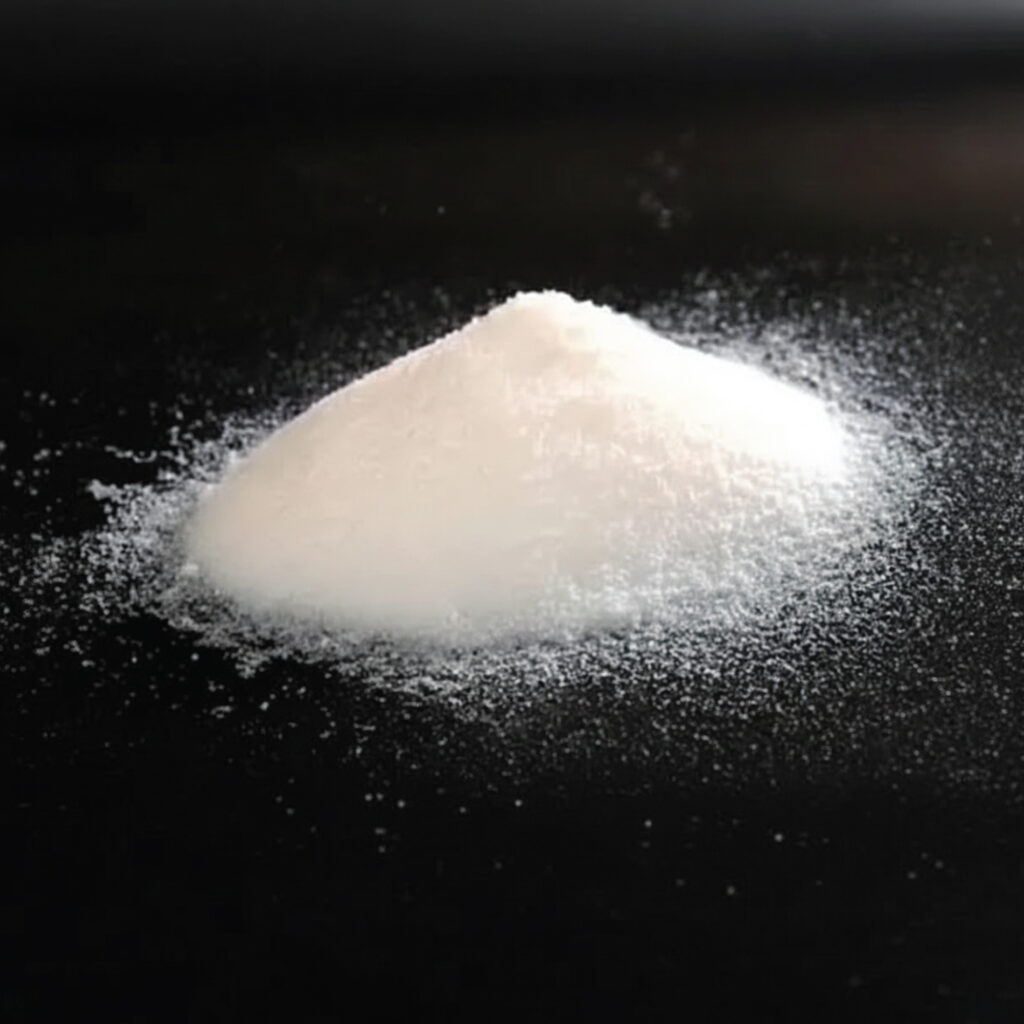
Sudarshan Group has spent decades deep in India's specialty chemicals world and right now, one of their materials is doing something nobody outside the tyre industry is really talking about yet.Picture a tyre plant in Pune or Chennai. The machines are the same. The workers are the same.The push for high-quality silica powder used in tyre compound development has picked up speed in ways that even surprised industry insiders. It's not making headlines. There's no government campaign behind it. It's just quietly working and the results are making it hard to ignore. But the conversations happening between engineers and procurement teams? Those have changed. The raw material choices have changed. And if you ask anyone on the floor what's driving it, the answer keeps coming back to one thing.
Carbon Black Had a Good Run. A Really Long One.
Carbon black didn't dominate tyre manufacturing for a century by accident. It's cheap, it's predictable and it reinforces rubber in ways that are well-documented and well-understood. Most tyre engineers grew up learning how to work with it. Their suppliers knew it inside out. The whole ecosystem was built around it.
So what changed?
Fuel efficiency got serious. Not in a "we should probably think about this" way in a "the government is watching and so are your customers" way. Rolling resistance, which is basically the hidden energy drain every tyre creates as it moves, became a number that buyers and regulators both started paying attention to. And carbon black, good as it is at other things, has always struggled here.Add the carbon footprint issue on top of that and you start to see why people are looking for alternatives.
Okay, So What Does Precipitated Silica Actually Do?
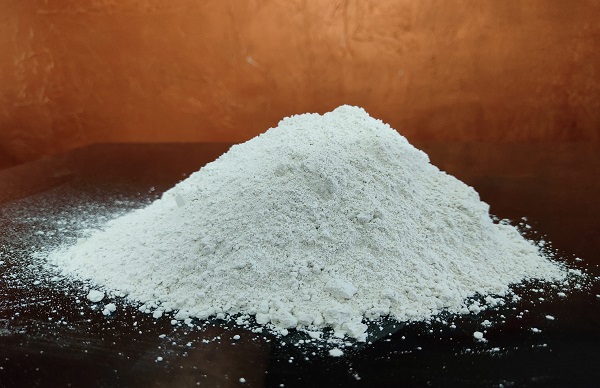
Here's the short version: it's a fine white powder made in a controlled chemical process, and when it goes into a tyre tread, it changes how that tyre behaves.
Less rolling resistance. Better grip on wet roads. Longer tread life. Tyre engineers sometimes talk about a "magic triangle" the idea that you can only ever optimise two out of three things (fuel efficiency, safety, durability) at once. Silica is one of the few materials that actually pushes all three in a better direction at the same time.
For Indian roads specifically, that matters a lot. You're not just driving on smooth highways. You've got rain-slicked city streets, potholes, long hauls on state highways. A tyre that handles all of that while also sipping less fuel? That's genuinely useful not just a spec sheet number.
The Tyre Industry Here Isn't Waiting Around
The big names in Indian tyre manufacturing have been making this shift for a few years now. Some of it is export-driven European tyre labelling laws grade every tyre on fuel efficiency and wet grip, and Indian manufacturers who want a piece of that market have to comply. Silica is how you hit those numbers.
But it's not just about exports anymore. Domestic fleet operators are running tighter margins. Premium segment buyers are actually reading tyre specs before they buy. The Indian consumer is more informed than they were ten years ago, and the industry is responding.
Silica isn't the future. It's already the present. The question now is just about pace and scale.
Why the Supplier You Choose Actually Matters
In theory, precipitated silica is precipitated silica. In practice, it isn't. Small variations in surface area, particle size and moisture content can create big headaches on the production line. A batch that's slightly off spec can affect how the rubber compound mixes, how it cures, how the finished tyre performs.
Sudarshan Group understands this not just as a chemistry problem but as a manufacturing reliability problem. Their silica is produced with tight, consistent controls and crucially, their technical team actually talks to customers about how the material is being used, not just what it costs. For procurement teams and R&D engineers who've been burned by inconsistent supply before, that combination is genuinely rare.
The Bottom Line and Where Things Go From Here
This isn't a trend that's going to reverse. The regulatory direction, the performance data, the commercial logic it all points the same way. Precipitated silica is becoming standard in tyre manufacturing, not optional.
If you're sourcing for a tyre or rubber application and you haven't had a serious conversation about your silica supply chain yet, now is a good time to start. The companies who got ahead of this shift early didn't do it by accident. They just paid attention earlier than everyone else.
Frequently Asked Questions
1What is precipitated silica and how is it different from regular silica?
Mined silica is what you get when you dig stuff out of the ground. It varies. You don't control it, you work around it. Precipitated silica is the opposite made synthetically, so particle size and surface properties are engineered, not hoped for. In tyre compounding, where batch-to-batch consistency directly affects how your compound behaves on the line, that difference isn't academic. It's why serious manufacturers don't use mined silica for this.
2Does silica in tyres actually make a difference to fuel bills?
Yes. Full stop. Lower rolling resistance means the engine is doing less work every single kilometre. That's not a marginal efficiency tweak for a fleet running hundreds of vehicles over hundreds of thousands of kilometres, it's a number that shows up clearly on a spreadsheet. Anyone telling you it's negligible either hasn't run the numbers or doesn't want you to.
3Is this only relevant for car tyres or does it apply elsewhere?
Cars are almost the least interesting part of this. Trucks, buses, two-wheelers, off-road equipment, industrial machinery anywhere rubber is doing real work under real load, silica compounds are in play. The physics don't care about the vehicle category. Rubber has to grip, flex and recover. Silica helps it do that better. That's it.
4Why is this shift happening now in India specifically?
Because the conditions that make it unavoidable finally exist simultaneously. Stricter fuel efficiency norms. Export markets that won't accept substandard material. Genuine environmental accountability. Domestic silica supply that's actually decent now. Pick any two of those from five years ago and the other two weren't there. Now they all are, at once, and the industry has no real excuse left to delay.
5How do you know if a precipitated silica supplier is actually reliable?
One test report means nothing. Get data sheets from multiple batches not cherry-picked ones, random ones and look at BET surface area, oil absorption number and pH across all of them. If the numbers wander, the supplier has a process control problem. Then talk to their technical people. Not sales. Technical. If they can't have a specific conversation about how their material performs in your compound and your process, they don't know their own product well enough. Walk away.