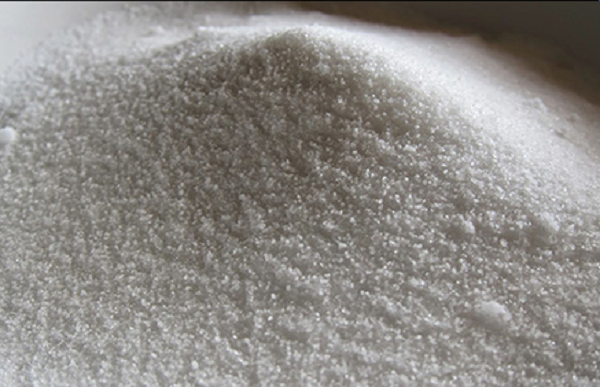
Order the wrong grade of soda ash once, and you'll never forget it. It looks like a small mix-up on paper, same chemical formula, sodium carbonate either way, but dump the wrong one into a glass furnace or a detergent line, and the batch tells you immediately. Buyers who've been burned this way tend to start asking better questions before they order again, and one of the first things they learn is that soda ash dense manufacturers and light-grade suppliers aren't interchangeable, even though the product sounds identical on a spec sheet.
What Actually Separates the Two Grades
Dense soda ash has bigger, heavier particles that pack together tightly. Light soda ash is finer and fluffier. That's the whole difference on paper, but it plays out in real ways on a production floor. Dense grade handles better in bulk, with less dust in the air, fewer clumping issues, and smoother flow through conveyors and hoppers. It also dissolves a touch slower, which glass manufacturers actually like because it gives the melt more predictable behavior when blended with sand and limestone.
Where Light Soda Ash Actually Wins
Light soda ash dissolves fast, and for a lot of applications that's the whole point. Detergent and soap producers lean on it because a slow-dissolving alkali just sits there instead of doing its job. Some water treatment and textile processes use it for the same reason speed beats bulk convenience when the reaction needs to happen quickly. Neither grade beats the other in general. It's entirely about what your equipment and end product actually need.
So, Which One Should You Order?
If you're running high-volume batching or moving material long distances, dense is usually the safer bet, as it just handles better logistically. If your process lives or dies on how fast the alkali dissolves, go light. A fair number of manufacturers keep both on hand and switch depending on which product line is running that week. What we tell most buyers is: don't guess. Send us your process details, and we'll tell you straight which grade fits, rather than shipping whatever's easiest to move.
The Mistake We See Most Often
People assume switching grades mid-supply is no big deal. It is. Feed dense soda ash into a system tuned for light grade, and you'll get uneven mixing and sluggish reactions. Do it the other way, and you're looking at dust problems and inconsistent flow through your equipment. The other classic mistake is chasing the lowest price without checking purity. A batch running a couple of points lower on sodium carbonate content means using more of it to get the same result, which quietly erases whatever you saved.
Why Buyers Stick With Sudarshan Group
Sudarshan Group checks every batch before it leaves the facility, full stop. No shortcuts on that. Among soda ash dense manufacturers few actually sit down and talk through which grade fits a buyer's line instead of just pointing them to whatever's in stock. That's not a slogan, it's the reason a lot of our clients place their second and third orders without shopping around again.
Getting It Right the First Time
The choice between dense and light soda ash isn't hard once you know what to look for. Match the grade to how your process actually runs, ask hard questions about purity before you commit to a bulk order, and if you're not sure, run a small test batch first. It's a lot cheaper than finding out mid-production.
Frequently Asked Questions
- What's the real difference between dense and light soda ash?
Particle size and bulk density. Dense is heavier and packs more tightly; light is finer and dissolves faster.
- Which industries use dense soda ash?
Glass manufacturing mostly, along with any process that needs bulk material to flow cleanly without excess dust.
- Can I just switch grades without changing anything else?
Not really, the equipment set up for one grade tends to struggle with the other. Test first.
- Does purity really vary that much between suppliers?
Yes, more than people expect. Always ask for a certificate of analysis before a bulk order goes out.
- How do I figure out which grade my process needs?
Think about how fast you need it to dissolve and how it'll be stored and handled in bulk. If you're still unsure, tell your supplier the specifics and let them confirm it.