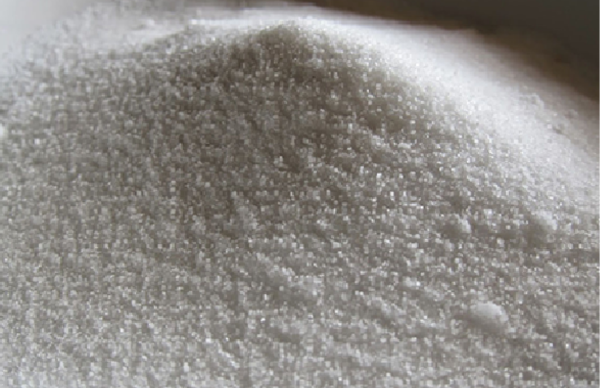
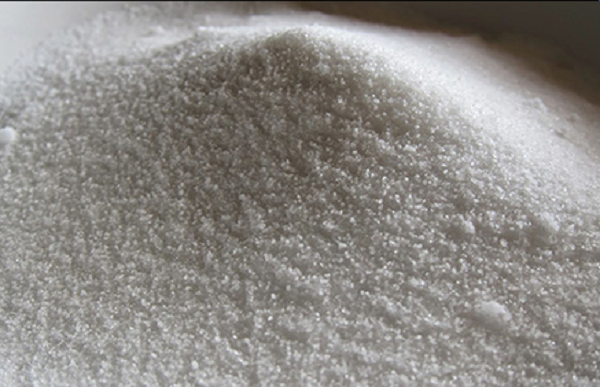
Most people who buy soda ash in bulk know exactly what it does. Fewer have ever asked how it's made. Which is fair, honestly, until something goes wrong with a shipment and suddenly everyone wants to know. Even people who've dealt with soda ash dense manufacturers for years are sometimes caught off guard by how much chemistry sits behind a bag of what looks like plain white powder. So here's the actual process, no sales pitch attached.
How Soda Ash Dense Manufacturers Turn Raw Ore into Usable Powder
Soda ash, or sodium carbonate, starts as either mined trona ore or a manufactured product built from a chemical reaction. India doesn't have much workable trona sitting in the ground, so plants here mostly run the synthetic route. Limestone, salt, ammonia. That's basically it. Nothing exotic. The interesting part isn't the ingredients, it's what happens to them afterward, through several rounds of reaction, filtration, and drying that quietly decide how the final powder looks and behaves.
Inside the Solvay Process: From Brine to Soda Ash
The majority of plants today still use an older version of the Solvay process for over 150 years. The main reason for using the process is its ability to work without being replaced. The work of the process involves the treatment of brine with ammonia and the reaction of the mixture with carbon dioxide to form sodium bicarbonate. Sodium bicarbonate is filtered and heated, and the heating removes carbon dioxide and water. However, what remains is sodium carbonate, which is technically considered finished but is usually in its light form, unlike the requirements of buyers. In order to get sodium carbonate in the dense form, more steps have to be followed after the Solvay process. Sodium carbonate is mixed in a slurry with water, and the mixture needs to be dried and recrystallized under closely monitored heating conditions.
Why Density Actually Matters Here
Sounds like a technicality until you're the one running the furnace. Larger, uniform particles flow better, throw off less dust, and pack tighter in containers and equipment. Glass manufacturers care about this a lot because dense soda ash melts predictably, batch after batch. Detergent makers want the same consistency for basically the same reason. Nobody wants to explain to their own customer why this month's product isn't quite behaving like last month's. Light soda ash isn't a bad product, it just fits a narrower job, mostly where fast dissolution beats bulk handling. For most day-to-day industrial use, though, dense wins.
Quality Checks Every Soda Ash Dense Manufacturer Should Run
A batch doesn't get tested once and walk out the door. Bulk density, particle size distribution, sodium carbonate content, and moisture are all checked before dispatch. And the margins matter more than people assume. A furnace tuned for one density range won't perform the same with a batch that's even slightly off, and "slightly off" can look completely fine on a spec sheet. This is where the older, more established plants tend to have an edge. Not because they're smarter, but because they've seen enough batches to know what "normal" actually looks like on their own equipment, including the small fluctuations a newer operation might just wave through.
Why Businesses Choose Sudarshan Group
We're not going to claim every batch of soda ash coming out of every plant in the country is identical, because it isn't, and pretending otherwise is exactly the kind of thing that makes people distrust suppliers in the first place. We know plenty of soda ash dense manufacturers who talk a good game and still lose customers within a year. What we will say is this: Sudarshan Group tests every consignment before it leaves, keeps specifications the same shipment after shipment, and actually picks up the phone when a customer has a question, before the sale and after it. Glass units, detergent manufacturers, chemical processors- they keep coming back to us for one reason. Their lines run the way they expect. Not because of anything we've said about ourselves in a brochure. Ask any of them, or better yet, ask us for recent test certificates. A manufacturer confident in their process hands those over without blinking.
What to Look for Before You Order
It usually comes down to a few blunt questions. Can they show consistent lab data across several batches, not just the one they're proud of? Do they actually answer when you ask about their process, or change the subject? Is the pricing honest about freight and packaging, or does that show up later as a surprise on the invoice? None of this is complicated. Skipping it is exactly how buyers end up with batch-to-batch headaches they didn't budget time or money for, especially on a line that can't just pause and wait.