

Sodium Silicate Supplier in India for Detergent, Adhesive and Foundry Industries
November 6, 2026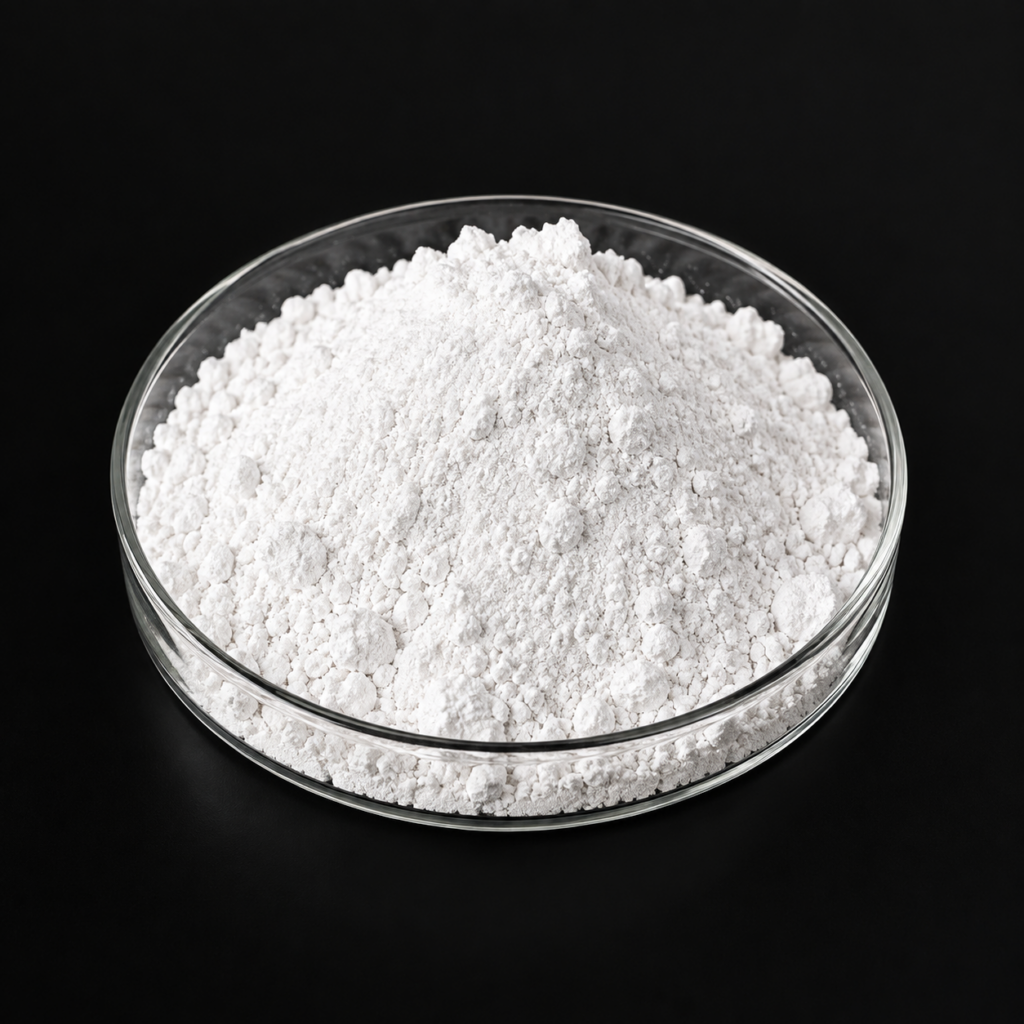
Ground calcium carbonate, or GCC, starts as limestone or marble. It gets crushed, milled and sorted by particle size until it becomes a fine white powder. Textile mills have used GCC Powder as a filler for years, mostly because it adds whiteness and opacity cheaply and doesn’t react with most dyes and binders. It also mixes in easily, which makes it simple to try in an existing recipe.
What GCC Powder does in textile printing and coating
With regard to printing, the filler has the function of giving the paste some thickness, which prevents the color from spreading. Moreover, by means of a filler, it becomes possible to stretch the pigment and use a bit less but get a GCC Powder sufficient covering of cloth. Coating is a different thing. Here the filler serves to create a flat surface, and you can see especially clearly that it has the effect principally on synthetics and tarpaulin since they will obviously show all the imperfections.
What mills check before they buy
If you ask a production head if they have any worries, it is unlikely to be the number printed on the data sheet. Rather, they are concerned about whether the powder will behave the same on Tuesday as it did on Monday. Factors like particle size distribution, brightness, oil absorption and moisture affect their concerns. For example, narrow particle size distribution means blocked screens can be avoided. Satisfactory brightness of the powder can ensure good colors. Low abrasion is often neglected but, ultimately, it will draw attention when the blades have to be changed. Moisture, on the other hand, is particularly devious because damp powder will lump in the packaging and behave unpredictably.
It is important to have pure products in use because if you work with clean filler, your pigments, binders and softeners will not be affected. The presence of well-classified GCC powder will help produce smooth paste and prolong screen usage.
How GCC Powder helps fabric coating
Coating mixes containing GCC Powder spread evenly and bond well with common binders. Later finishing then goes on without patches. You also get better opacity and whiteness, a softer feel, and steadier dimensions while the fabric cures.
Binder and pigment are usually the expensive parts of a recipe. Many mills find GCC Powder reduces the amount they need per metre of fabric. Over a big run, that adds up, and whoever signs off the budget tends to notice.
Getting the printing paste right
A paste is pigment, thickener, binder, water and filler. People fuss over the pigment and underrate the filler. Go too coarse and the paste turns gritty and clogs fine mesh. Go too fine and the viscosity climbs until it’s a pain to work with.
Most mills run a small trial, adjust the loading, and scale up only when sharpness, rub fastness and colour yield look right. It’s slow, dull work, and it pays off. Paste settling is less likely once the GCC Powder is fully dispersed during mixing, so a batch holds steady through a long shift.
Choosing the right GCC Powder grade
Always request a GCC Powder sample for trials on your own machines before bulk orders. Finer grades generally suit printing and coarser ones suit thick coatings, though your own line has the last word. Ask for a technical data sheet showing brightness, particle size, bulk density and pH.
Think about what you’re making, too. Garment printing, home furnishings and industrial textiles each want a different finish, and a supplier who knows that can save you weeks of trial and error.
Why choose Sudarshan Group
Batch-to-batch variation is what textile mills hate most, so that’s where we put our effort. At Sudarshan Group, we test every lot of GCC Powder we ship for particle size, brightness and purity before it leaves us, so the sample you approve is what shows up at your mill. Our technical team will talk through grade choices and formulation questions with your people. We hold dependable stock, offer flexible packaging, and answer the phone.
Small choices, better fabric
The sharpness in printing and standard of coating are a result of numerous small choices, including the filler, which you have complete control over. Choose a filler grade, evaluate it on your own machine, and select a source that meets its quality on an ongoing basis. If you would like to have someone else look at your current recipe, Sudarshan Group can offer its own filler grade and arrange for a sample.
Frequently asked questions
1What is GCC powder made from?
Natural limestone or marble, cleaned, ground and graded by particle size. No chemical reaction is involved, so the material stays pure and cost-effective.
2What role does GCC Powder play in fabric coating?
It works as a filler and extender that improves opacity, whiteness and surface smoothness. It also cuts the amount of costlier binder and pigment you need.
3Is GCC suitable for all fabric types?
It works with cotton, polyester, blends and many technical textiles. Test the grade and dosage on each fabric and process before full production.
4How does particle size affect print quality?
Finer particles give sharper edges and a smoother paste. Coarser particles suit thicker coating layers. The right size depends on your screen mesh and how you apply the material.
5How can I order samples from Sudarshan Group?
Send our team your application details and the quantity you need. We’ll recommend a grade and arrange a sample for your trials.
