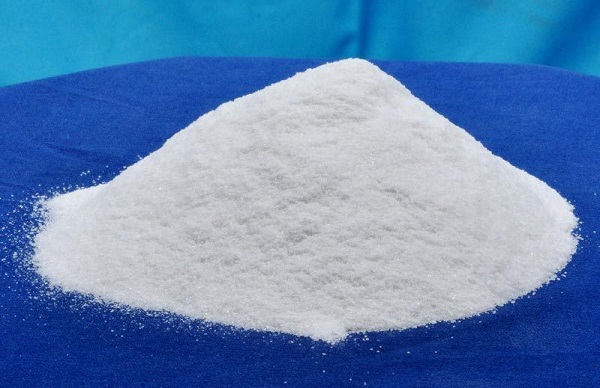
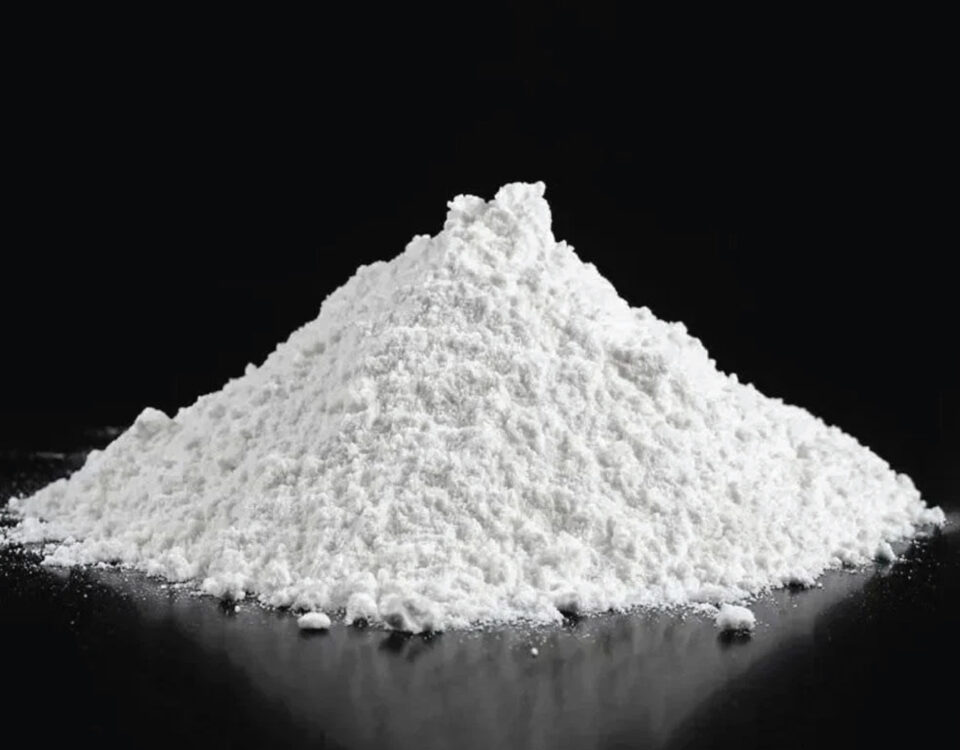
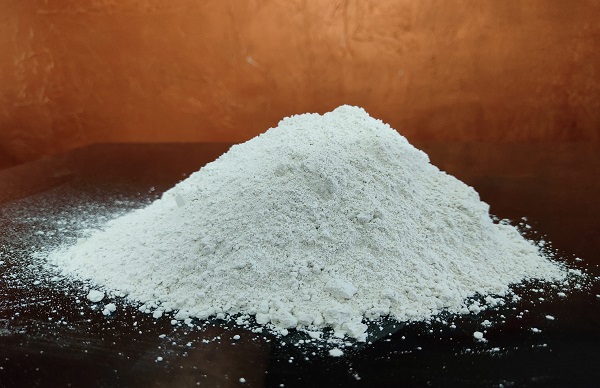
Those who have spent time searching for the right raw materials for a ceramic factory or a paint formulation facility know the whole process can be frustrating when the raw materials are not doing what they are supposed to. In fact, the problem could very well be the mineral filler and not the formulation. For this reason, working with reputable quartz powder manufacturers is more important than most buyers think, since both mesh size and grade influence various aspects of glaze coating and paint film properties. A poor choice in either case will lead to rejection of the batch, uneven texture, or a product that cannot be kept on the shelf.
Why Mesh Size Changes Everything in Quartz Powder Manufacturers' Output
Mesh size isn't just a number on a spec sheet it decides how the powder behaves once it's mixed into a slurry or a paint base. Coarser mesh, think 100 to 200, tends to suit applications where bulk filling matters more than surface finish, like certain ceramic bodies or construction-grade fillers. Finer mesh, 300 mesh and up, sometimes pushing toward 400 or 500 for specialty use, gives a smoother dispersion, which paint manufacturers care about a great deal since it affects gloss, opacity, and how well the pigment holds together over time.
Here's the part people often miss: finer isn't automatically better. A paint formulator chasing ultra-fine mesh for a product that doesn't need that level of refinement is just paying more for particle size they can't use. The trick is matching the mesh to the actual end application rather than assuming smaller particles equal higher quality across the board.
Grade Matters Just as Much as Particle Size
Many quality problems begin with purity. When it comes to the quartz powder, the grades are based on the silica amount, the iron oxide content and the overall whiteness but if there is even a trace of iron, the baked colors of the glaze and tile body may change significantly. When speaking about paint, impurities make a different kind of difference, as they impact the binding of the resin and the filler element, thus resulting in poor film formation or cracking.
High-quality quartz powder is low in iron content and has stable silica percentages, which allows formulators to expect similar results in each batch of the mixture. This consistency is more valued than even a bit lower price, since the cost of remaking the batch, which has failed quality control, exceeds the price difference.
Matching Mesh and Grade to the Right Application
Ceramics work is a good example of why this pairing matters. Sanitaryware bodies often need a different mesh-grade combination than wall tiles, which again differ from what's needed in vitrified tile production. The silica needs to fuse properly during firing without introducing bubbles or specks, so both particle size distribution and purity level have to be right together, not one or the other.
Painting production employs a similar rationale, but for different grounds. Interior emulsions can use a slightly harder and cheaper quality of quartz powder, while outdoor or industrial coatings usually require fine-refined quartz powder, which can resist weathering and UV exposure without chalking. People who work closely with their supplier to ensure that these two aspects correspond will not experience as many difficulties with the formulation in the future.
Common Mistakes Buyers Make When Selecting Quartz Powder
A recurring mistake is ordering based on price per kilogram alone, without checking whether the mesh distribution is actually tight or scattered across a wide range. Two bags labeled "200 mesh" from different suppliers can behave quite differently if one has poor sieving control. Another common misstep is skipping a small trial batch before committing to bulk quantities. A five-minute test run in the lab can save weeks of downstream trouble.
Why Manufacturers Choose Sudarshan Group
The Sudarshan Group has gained the trust of consumers thanks to tight quality control in mesh sizes and mineral specifications because quality means everything in the business of industrial mineral supply. Our team works closely with the ceramic and paint industries to understand the application before offering a solution, rather than selling a one-size-fits-all solution. The Sudarshan Group is well known for its consistent silica content, reliable particle size distribution, and uniformity of the batches. These qualities are the key reasons why customers prefer buying goods from the same company, rather than looking for new suppliers every season.
Getting the Formulation Right From the Start
Choosing the right mesh size or grade is not simply a minor technological detail but one that has implications throughout the entire production process, from how glaze fires to how the paint film cures. If buyers match their specifications to their actual application and work with reliable quartz powder manufacturers instead of just choosing the cheapest or most widely available option, they will spend considerably less time troubleshooting afterwards. Good supplier relationships, where mineral suppliers know something about ceramics or paint chemistry, make this process much simpler.