
The Surprising Uses of Talc Powder You Didn’t Know About
October 28, 2026
STPP Supplier in India for Detergent and Ceramic Industries: Grades, Uses and Specs
November 6, 2026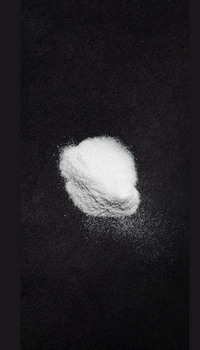
If you buy raw materials for a detergent plant, a tile factory or a water treatment unit, sodium tripolyphosphate is probably on your purchase list. Finding a dependable STPP supplier in India takes more than comparing price lists, because a small variation in purity or moisture can change how your product performs. This guide explains what STPP is, where it is used, and what separates a strong supplier from an average one, so you can order with confidence.
What Is STPP?
STPP stands for sodium tripolyphosphate, an inorganic compound with the chemical formula Na₅P₃O₁₀. It is a white, odourless powder or granule that dissolves easily in water. Manufacturers make it by neutralising phosphoric acid with a sodium source and then heating the resulting phosphate mixture at high temperature until it forms the tripolyphosphate structure.
What makes STPP useful is how it behaves in water. It binds calcium and magnesium ions that cause hardness, keeps fine particles dispersed instead of letting them settle, and helps hold a stable pH. Those three actions explain why it shows up in so many unrelated industries.
Where Is STPP Used?
The largest and best-known use is in detergents. In washing powders and cleaning products, STPP softens the water so surfactants can lift dirt properly, and it keeps the loosened soil suspended so it does not settle back onto fabric. A formulator who switches to a weaker grade often notices it quickly, through poorer cleaning or caking in the powder.
Ceramics and tile manufacturing is the second major user. Here STPP acts as a deflocculant in clay slip. It lets the slip stay fluid with less water, which reduces drying time and energy use and helps cut cracking and other defects. Water treatment plants use it to control scale and keep metal ions in solution, and leather and textile processors use it for dispersion and metal ion control during wet processing.
Food grade STPP is used in some meat, poultry and seafood products to help retain moisture and texture, where food regulations allow it. This use needs a separate, tighter specification, which brings us to grades.
Technical Grade vs Food Grade STPP
Technical grade STPP serves most industrial uses, including detergents, ceramics and water treatment. Food grade STPP is produced to stricter purity limits, with tighter controls on heavy metals and other impurities, and it must meet food safety standards. The two are not interchangeable. Always confirm the grade you need before placing an order, and ask for the matching specification sheet.
Powder and granular forms also differ. Granular STPP flows better and creates less dust, which suits automated dosing lines, while fine powder dissolves faster. Your process decides which form works better.
Who Are the Top STPP Suppliers in India?
The Indian market includes manufacturers, importers, traders and distributors, and they are not the same. Some supply material from their own production, some import and resell, and some trade across several brands. A published ranking rarely tells you which one is right for you, so it is more useful to judge a supplier on what it can prove: consistent quality across batches, stable availability, clear documentation and responsive service.
A top STPP supplier in India is usually the one that gives the same result in your plant in January and in July. Price matters, but a cheaper lot that needs rework or causes a rejected batch is not cheaper in the end.
What to Check Before Choosing an STPP Supplier in India
Before you commit to a supplier, ask for these details and compare them against your own requirement:
- Assay: the Na₅P₃O₁₀ content, since this shows how pure the product is
- Whiteness and pH: important for detergent colour and formulation stability
- Moisture and bulk density: these affect storage life, flow and dosing
- Certificate of analysis: one that comes with every lot and matches what you receive
- Packaging and capacity: bag size, palletising and the ability to supply your monthly volume
Beyond the numbers, request a sample and run it in your own process. A lab certificate tells you what the material should do, and a trial batch tells you what it actually does. It also helps to ask how the supplier handles complaints and delayed dispatches, because that shows how they behave when something goes wrong.
Common Mistakes Buyers Make
The most common mistake is choosing purely on price. A second is skipping the trial and moving straight to a bulk order. A third is ignoring storage, since STPP absorbs moisture from the air and can cake if it is kept in damp conditions or in torn bags. Store it in a dry place, keep bags sealed and stack them off the floor.
Exporters should also check phosphate rules in their target markets. Some regions limit phosphates in household detergents because of water pollution concerns, so a formulation that works in India may need adjusting for another country.
Why Work with Sudarshan Group
Sudarshan Group has been supplying industrial minerals and chemicals since 1975. Its range includes talc, calcium carbonate, dolomite and china clay, along with chemicals such as soda ash, sodium silicate, zeolite and STPP. For buyers in detergent, ceramics and allied industries, sourcing related inputs from one company can simplify ordering, freight and quality follow-up. The group is headquartered in Mumbai and operates across India, including a manufacturing base in Udaipur, Rajasthan.
If you are comparing options for an STPP supplier in India, you can review product details on the STPP supplier in India page and share your grade and quantity requirements with the team.
Final Thoughts
STPP is a small line item that can have a large effect on product quality, so the choice of supplier deserves proper attention. Define the grade you need, check the specifications, test a sample and judge the supplier on consistency rather than on price alone. To discuss your requirement, contact Sudarshan Group through the contact page.
Frequently Asked Questions
1What is STPP used for?
STPP is mainly used in detergents to soften water and keep dirt suspended. It is also used in ceramics as a deflocculant, in water treatment for scale control, and in food grade form in some processed meat and seafood.
2What is the difference between technical grade and food grade STPP?
Food grade STPP meets stricter purity and safety limits and is intended for food processing. Technical grade is meant for industrial uses and should not be used in food.
3How do I choose a reliable STPP supplier in India?
Check the assay, whiteness, moisture and bulk density, ask for a certificate of analysis with each lot, and request a sample for a trial. Also confirm the supplier can maintain steady volumes and delivery times.
4How should STPP be stored?
Keep it in a cool, dry place in sealed bags, away from damp floors and walls. STPP absorbs moisture and can form lumps if exposed to humid air.
5Is STPP restricted in any country?
Some countries and regions limit phosphates in household detergents. If you export finished products, check the rules in your destination market before finalising your formulation.
6What details should I share when asking for a quote?
Tell the supplier the grade, quantity, packaging preference and delivery location. If you have a specification sheet, share it so the quote matches your requirement.