
STPP Supplier in India for Detergent and Ceramic Industries: Grades, Uses and Specs
November 6, 2026
Sodium Silicate Supplier in India for Detergent, Adhesive and Foundry Industries
November 6, 2026
Sodium silicate rarely gets attention outside the plants that use it, yet it quietly holds a lot of industry together. It helps detergents clean, glues cardboard boxes, bonds foundry sand and hardens concrete surfaces. If you buy it regularly, you already know that the product on the datasheet and the product that arrives at your gate can be two different things. This guide covers what sodium silicate is, where it is used, what the specifications mean and how to find a dependable sodium silicate supplier in India.
What Is Sodium Silicate?
Sodium silicate is a compound of sodium oxide (Na₂O) and silica (SiO₂), and it is better known in the trade as water glass. It is made by fusing silica sand with soda ash in a furnace at very high temperature, which produces a solid glassy material. That solid is then dissolved in water under steam pressure to give the clear, syrupy liquid most industries buy. A second route reacts sand with caustic soda in a pressure vessel, which is common for lower silica ratios.
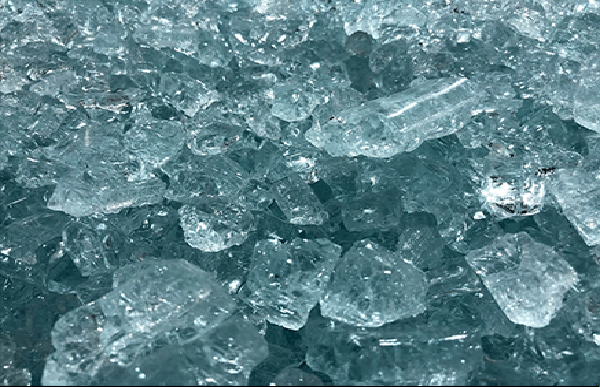
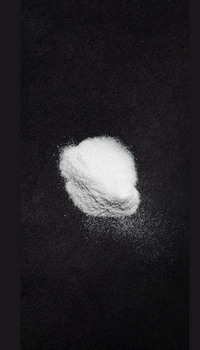
It is sold in three forms: liquid, solid lumps and spray-dried powder. Liquid is by far the most common, because it is ready to use and easy to dose. Solid and powder forms are easier to transport over long distances and store, since you are not paying to move water.
Understanding the Silicate Modulus
The single most important number on a sodium silicate datasheet is the silicate modulus, which is the weight ratio of SiO₂ to Na₂O. Commercial grades usually fall somewhere between about 2 and 3.5. A lower ratio means a more alkaline, more soluble product that is useful for cleaning and detergent work. A higher ratio means a more silica-rich product that forms stronger films and bonds, which suits adhesives, binders and sealers.
Two other figures usually appear beside it: density, often given in Baumé degrees, and total solids content. Together with the modulus, they tell you how concentrated and how viscous the liquid will be. Two suppliers can both offer sodium silicate liquid and still deliver very different behaviour, simply because the ratio or the concentration differs.
Where Sodium Silicate Is Used
In detergents and soaps, sodium silicate supplies alkalinity, buffers the wash liquor and helps protect washing machine parts from corrosion. In the packaging industry, it is a classic adhesive for corrugated board, paper tubes and cartons, where the bond forms quickly and holds well.
Foundries use it to bind sand for moulds and cores, which are then hardened with carbon dioxide gas. In construction, it appears in concrete hardeners, waterproofing sealers and soil stabilisation work. Ceramics, paper mills and water treatment units use it as a binder, a deflocculant, a bleaching aid or a corrosion inhibitor, and it is also the starting material for silica gel and precipitated silica. This spread of uses is exactly why a buyer should define the application before choosing a grade.
Best Sodium Silicate Suppliers in India: How to Judge Them
Buyers often search for a ranked list, but there is no single best option for every plant. A foundry that needs a particular modulus and a detergent maker that needs a large, steady monthly volume are shopping for different strengths. A better approach is to judge each supplier against the same set of questions: does the product match your specification every time, can they meet your volume without delays, and do they answer technical questions clearly?
A supplier who can show test results from recent lots, explain how they control the ratio and density, and name the industries they already serve is usually a safer bet than one who only quotes a price.
Where Can I Find Reliable Sodium Silicate Manufacturers in India?
The best starting points are manufacturers' own websites, industrial directories, trade exhibitions and verified business marketplaces. Referrals from other plants in your industry are often the most useful, because they come from people who have already tested the material in a real process.
Once you have a shortlist, do some checking. Confirm the company's registration details, ask for relevant quality certifications, and request a certificate of analysis for a recent lot. If possible, visit the plant or arrange a video walkthrough. A manufacturer that welcomes these steps is usually confident in its process.
How to Choose a Sodium Silicate Supplier in India
Before placing an order, compare suppliers on these practical points:
- Grade fit: the modulus, density and solids content match your process
- Consistency: the same values on every lot, backed by a certificate of analysis
- Packaging and logistics: drums, IBCs or tankers that your plant can receive
- Capacity and lead time: steady supply, including during busy seasons
Freight deserves special attention with liquid grades, because water makes up much of the weight. A supplier closer to your plant, or one that offers solid or powder forms, can lower your delivered cost. Always compare the landed price instead of the ex-works rate.
Testing, Storage and Safe Handling
Run a sample through your own process before ordering in bulk. A detergent maker should check how the silicate behaves in the slurry, a foundry should test bond strength and hardening, and a packaging unit should check tack and drying time. A reliable sodium silicate supplier in India will support these trials and help you adjust the grade if the first result is not ideal.
Once the material arrives, keep containers tightly closed. Sodium silicate reacts with carbon dioxide in the air, which can form a crust or gel at the surface. It is also strongly alkaline, so handlers should wear gloves and eye protection and wash off any splashes promptly.
Working With Sudarshan Group
Sudarshan Group has been supplying industrial minerals and chemicals since 1975. Its range includes soda ash, sodium silicate, STPP, zeolite and borax, along with minerals such as talc, calcium carbonate, dolomite and china clay. For detergent and construction-related buyers, sourcing several inputs from one company can simplify ordering and follow-up. You can read about the grades on offer on the sodium silicate supplier in India page and share your modulus, volume and delivery requirements with the team.
Final Thoughts
Choosing a sodium silicate supplier in India comes down to matching the product to your process and then confirming that the supplier can repeat that result lot after lot. Define your modulus and density, test a sample and compare landed costs. To discuss your requirement, visit the contact page or call +91-9983250000.
Frequently Asked Questions
1What is sodium silicate commonly called?
It is widely known as water glass or liquid glass, particularly in its liquid form.
2What does the silicate modulus mean?
It is the weight ratio of SiO₂ to Na₂O. A lower ratio gives a more alkaline, soluble product, while a higher ratio gives a more silica-rich product with stronger binding.
3What is the difference between liquid and solid sodium silicate?
Liquid is ready to use and easy to dose, while solid lumps and powder are lighter to transport per unit of silicate and must be dissolved before use in many applications.
4Which industries use sodium silicate the most?
Detergents, adhesives and packaging, foundries, construction, ceramics, paper and water treatment are the main users.
5Is sodium silicate hazardous to handle?
It is strongly alkaline and can irritate skin and eyes, so use gloves and eye protection, and rinse any splashes with plenty of water.