
Your Buying Guide to Sodium Silicate and Reliable Suppliers in India
November 6, 2026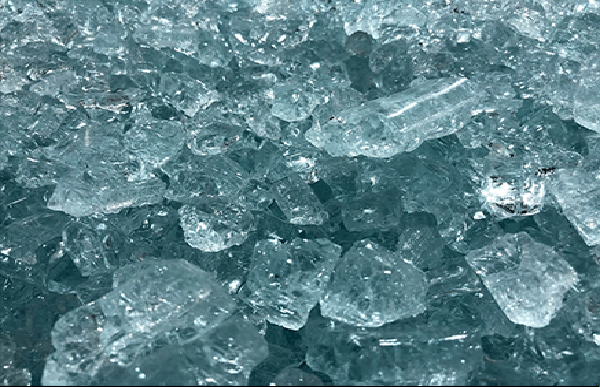
A detergent plant, a corrugated box maker and a metal foundry have almost nothing in common, yet all three keep a tank of sodium silicate on site. The chemistry is the same, but each plant needs something different from it: alkalinity in one, bond strength in the next, and fast hardening in the third. That is why finding the right sodium silicate supplier in India is less about a product name and more about matching a grade to a job. This guide walks through what each of these three industries expects, and what to check before you place an order.
One Chemical, Three Very Different Jobs
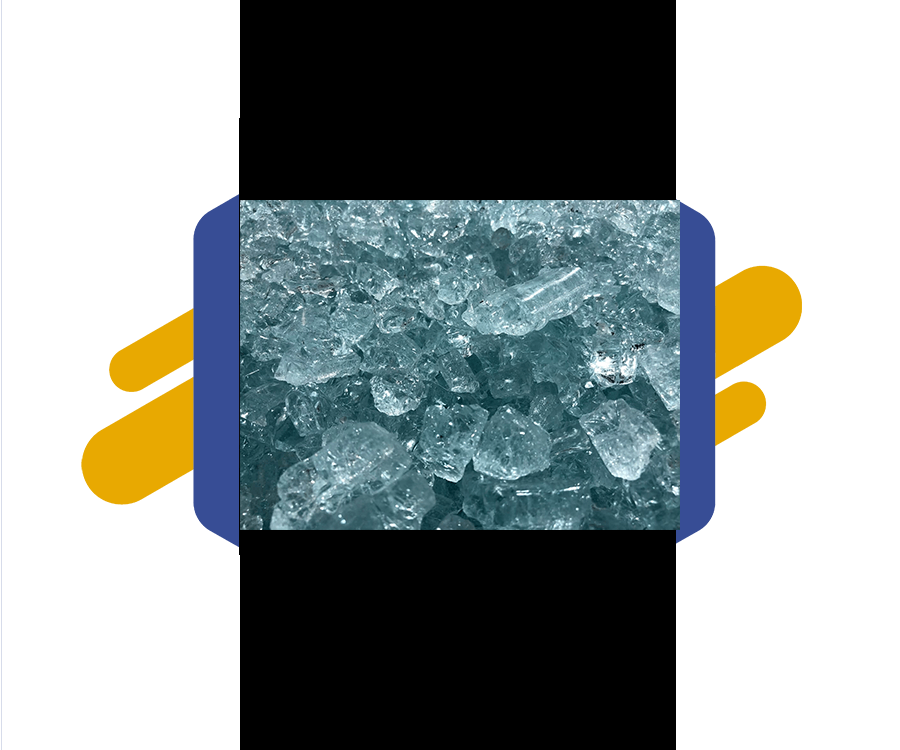
Sodium silicate, also called water glass, is a combination of sodium oxide and silica. Its behaviour changes with the silicate modulus (the SiO₂ to Na₂O ratio), the density and the solids content. Move any of these and the product acts differently in the tank, on the machine or in the mould.
In practice, this means two plants can both buy "sodium silicate liquid" and be handed products that suit one use and fail in the other. A dependable sodium silicate supplier in India will ask what you are making before quoting a grade, because the answer decides the specification.
Sodium Silicate in Detergents
Detergent makers rely on sodium silicate for alkalinity and for pH buffering. It keeps the wash liquor in the range where surfactants and other ingredients work well, and it helps protect the metal parts of washing machines from corrosion. In powder detergents, it also contributes to the structure of the dried bead and helps it stay crisp instead of clumping.
Grades with a lower modulus, which are more alkaline and dissolve quickly, are generally favoured here. Clarity and low insoluble matter matter too, because haze or sediment in the liquid can lead to dosing problems and visible specks in the finished product. If your line uses a slurry, check how the silicate mixes with the other ingredients before approving a new source.
Sodium Silicate in Adhesives
In packaging, sodium silicate is a long-established adhesive for corrugated board, paper tubes, cores and cartons. It bonds as water leaves the glue line and the silicate forms a hard film inside the paper fibres. The result is a firm, low-cost bond that handles heat and dryness well.
Adhesive users usually need a higher modulus, which gives stronger films and faster setting, along with a viscosity suited to their machine. If the glue is too thin, it soaks into the board and weakens the bond. If it is too thick, it spreads unevenly and slows the line. Ask a supplier for the viscosity range of the grade, and test it against the paper you actually run, since moisture and surface differ from mill to mill.
Sodium Silicate in Foundries
Foundries use sodium silicate as a binder for sand moulds and cores. In the common process, sand is mixed with a few percent of liquid silicate and then gassed with carbon dioxide, which makes the silicate set into a rigid gel in seconds. This gives the mould enough strength to be handled and poured quickly, without a long baking step.
Here, modulus and density affect how the sand mixes, how fast it hardens and how well the casting can be shaken out afterwards. A foundry should pay close attention to batch-to-batch consistency, because a small change in the silicate can show up as weak cores or poor breakdown after casting.
Best Sodium Silicate Suppliers in India: What to Compare
When buyers search for the top names, they are usually hoping for a shortcut, but the answer depends on your use. A good supplier for a foundry is not automatically the right one for a detergent line. Instead of relying on a ranking, compare each candidate on the same points: how well the grade matches your process, how steady the lot-to-lot results are, how much volume they can supply, and how quickly they respond when something goes wrong.
Ask for references from companies in your own industry. A supplier already serving detergent, packaging or foundry customers will understand your technical questions faster and is less likely to need a long learning period with your order.
Where Can I Find Reliable Sodium Silicate Manufacturers in India?
Start with manufacturers' own websites and industrial directories, then add trade fairs, industry associations and word of mouth from other plants. Peers in your sector can tell you which sources held up through shortages, price swings or a change in raw materials.
Before you commit, verify the basics: company registration, quality certifications, a certificate of analysis for a recent lot, and ideally a plant visit or video tour. Reliable manufacturers are usually comfortable with these requests.
Specification Checklist by Industry
Use this quick list when you request a data sheet:
- Detergent: lower modulus, clear liquid, low insoluble matter, steady solids content
- Adhesive: higher modulus, controlled viscosity, consistent density
- Foundry: the modulus and density your binder system calls for, with tight lot-to-lot consistency
- All uses: packaging format (drums, IBCs or tankers), lead time and the supplier's documentation
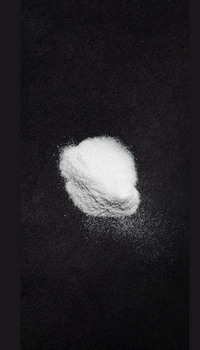
For liquid grades, remember that a large share of what you pay to transport is water. Compare the delivered cost, and ask whether a solid or powder form could reduce freight on long routes.
Running a Trial Before Bulk Orders
A data sheet describes the product, and a trial shows how it behaves in your process. A responsible sodium silicate supplier in India should be willing to send a sample and talk through the results with you. Detergent makers can test mixing and bead quality, adhesive users can check tack, setting time and bond strength, and foundries can measure core strength and shake-out. Keep the lot number on record so any difference between the sample and the first full order can be traced.
On arrival, keep containers sealed. Sodium silicate reacts with carbon dioxide in the air and can form a crust, and it is strongly alkaline, so gloves and eye protection are needed during handling.
Working With Sudarshan Group
Sudarshan Group has supplied industrial minerals and chemicals since 1975. Its chemicals range includes sodium silicate, soda ash, STPP, zeolite and borax, and several of these are used alongside each other in detergent and construction applications, which can make combined sourcing practical. To learn more about the grades available, visit the sodium silicate supplier in India page and send your requirement to the team.
Final Thoughts
Sodium silicate is a simple-looking material that behaves very differently depending on grade, so the best results come from starting with your application. Define the modulus, density and volume you need, test a sample, and choose a sodium silicate supplier in India that can repeat the same quality on every lot. To discuss your requirement, use the contact page.
Frequently Asked Questions
1Why is sodium silicate used in detergents?
It provides alkalinity, buffers the wash solution and helps protect washing machine parts from corrosion.
2Which silicate modulus is better for adhesives?
Higher modulus grades usually give stronger films and faster setting, though the best choice depends on your machine and paper.
3How does sodium silicate work in foundry moulds?
Sand is mixed with liquid silicate and gassed with carbon dioxide, which hardens the binder quickly into a rigid gel.
4Can one grade of sodium silicate serve all three industries?
Not reliably. Detergent, adhesive and foundry uses prefer different ratios and viscosities, so confirm the grade for each process.
5How should sodium silicate be stored?
Keep containers tightly closed and away from air exposure, since contact with carbon dioxide can form a crust or gel.