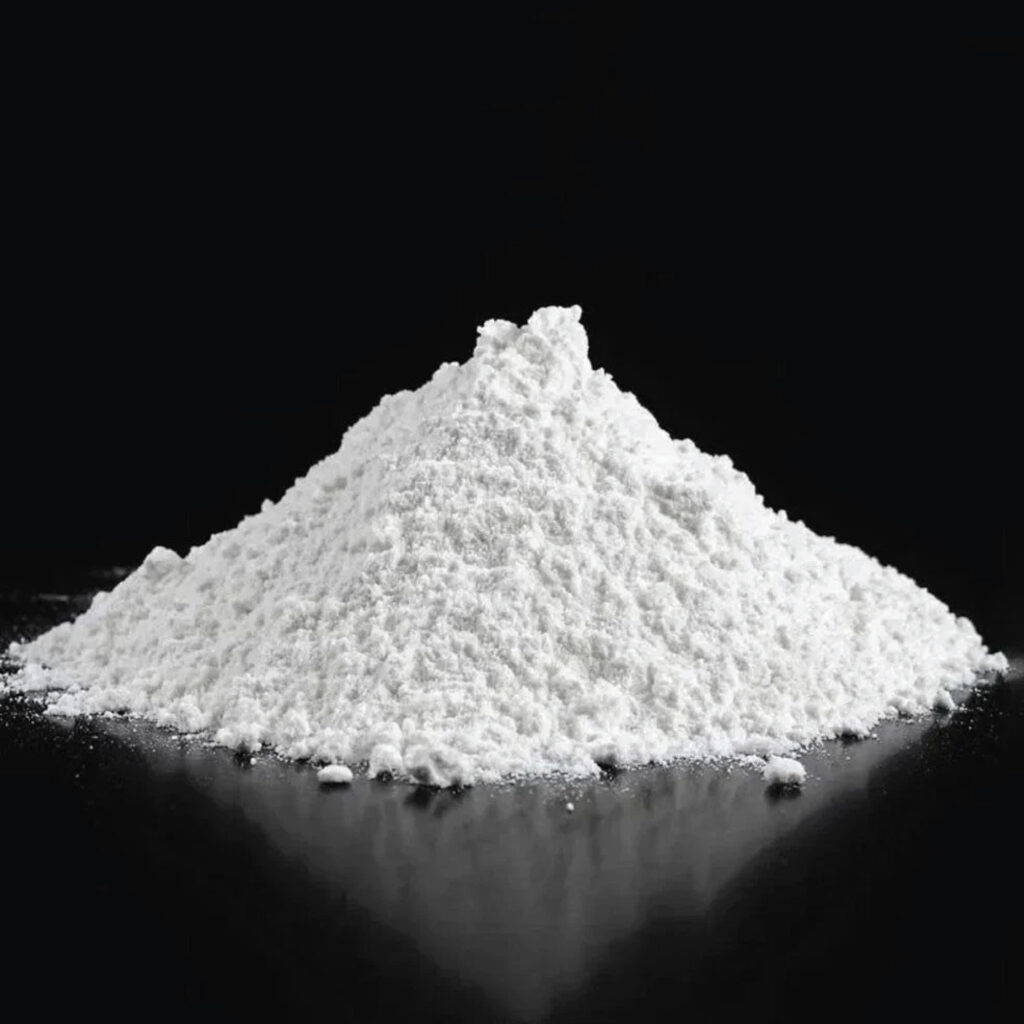
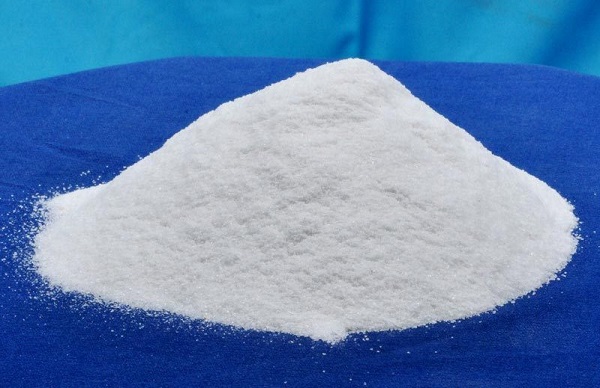
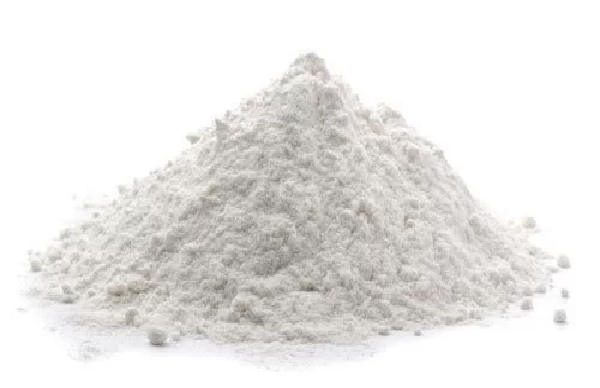
Dolomite is calcium magnesium carbonate, and on its own it's a pretty calm rock. Crush it, grind it, and you've got raw dolomite powder. Put it through a kiln first and it turns into something else: the carbon dioxide leaves, the weight drops by about half, and what's left reacts with water. Same quarry, same stone, two very different products. So when buyers contact dolomite powder manufacturers for the first time, the grade question usually comes up before anything else.
What Dolomite Powder Manufacturers Mean by Raw and Calcined
Raw dolomite powder is the easy one. It doesn't react with water, it's mildly alkaline, and a stack of bags in a normal godown won't cause you trouble.
Calcined is fussier. Heat dolomite to somewhere between 800 and 1,000 degrees Celsius and you're left with calcium oxide and magnesium oxide. Both grab moisture from the air like they hold a grudge. Sealed bags, dry storage, no shortcuts.
How Heat Changes the Stone
Do the maths on one tonne. Calcine it and a little over half a tonne comes out the other side, but every bit of the calcium and magnesium is still in there. Per kilo, calcined dolomite powder carries about double the oxide content. Steel plants love that.
What nobody loves is a bag left open overnight. The powder warms up, clumps, then sets. Anyone who has cracked open a bag like that knows the feeling. Raw powder shrugs off the same neglect.
Where Dolomite Powder Manufacturers See Each Type Used
Raw powder goes almost everywhere. Glass and ceramic makers need it for the calcium and magnesium in their batch. Paint, plastics and rubber units use it as filler. Farmers spread it on acidic soil. Some ends up in animal feed and construction products.
Calcined powder has a narrower, heavier customer list. Steel mills use it to treat slag and protect furnace linings. Refractory brick makers use it. So do flue gas and water treatment plants, and magnesium producers. That's a big gap for one mineral, which is why dolomite powder manufacturers tend to ask what you're making before they quote anything.
Cost: What You Are Really Paying For
Calcined costs more. No mystery there. Kilns burn fuel all day, and because half the weight vanishes, you need nearly two tonnes of stone to get one tonne of product. Add moisture-proof packing and the gap widens. Line up quotes from dolomite powder manufacturers and the calcined price will sit well above raw every time.
Raw powder pricing is less dramatic. Fineness, whiteness and purity do most of the work, so a fine, low-iron grade costs more than coarse industrial stuff. One tip that saves arguments later: compare quotes on the same mesh and the same chemical analysis. Otherwise, you're comparing two different products under one label. Freight on bulk loads can nudge the final figure too.
Why Choose Sudarshan Group Among Dolomite Powder Manufacturers
Consistency is what buyers end up caring about most, often after one bad batch from somewhere else. Anyone sizing up dolomite powder manufacturers should ask how steady the particle size is from lot to lot. At Sudarshan Group, that's where we put our attention, along with a test report for every batch and packaging that matches how your plant handles material, whether that's open-top bags or sealed bulk bags. We already supply calcium carbonate powder to paint, plastics, rubber and construction manufacturers, so we know how minerals behave on a real production line. Not sure which grade you need? Tell us what the powder has to do. We'll help you work it out before you order.
Picking the Right Grade Before You Order
In short: you need to use raw dolomite powder for various applications like fillers, glass, ceramics, agriculture and feed. However, calcined dolomite powder is required in applications such as steel production, refractory applications and various engineering applications where reactive oxides are needed. You should work backward: first check what you are going to use the powder for and then check the grain size, chemical composition and packaging.
When choosing suppliers, never only pay attention to the price. A reliable supplier of dolomite powder will first want to learn about your requirements. In case you would like to clarify specifications or get price quotes, please feel free to turn to Sudarshan Group.